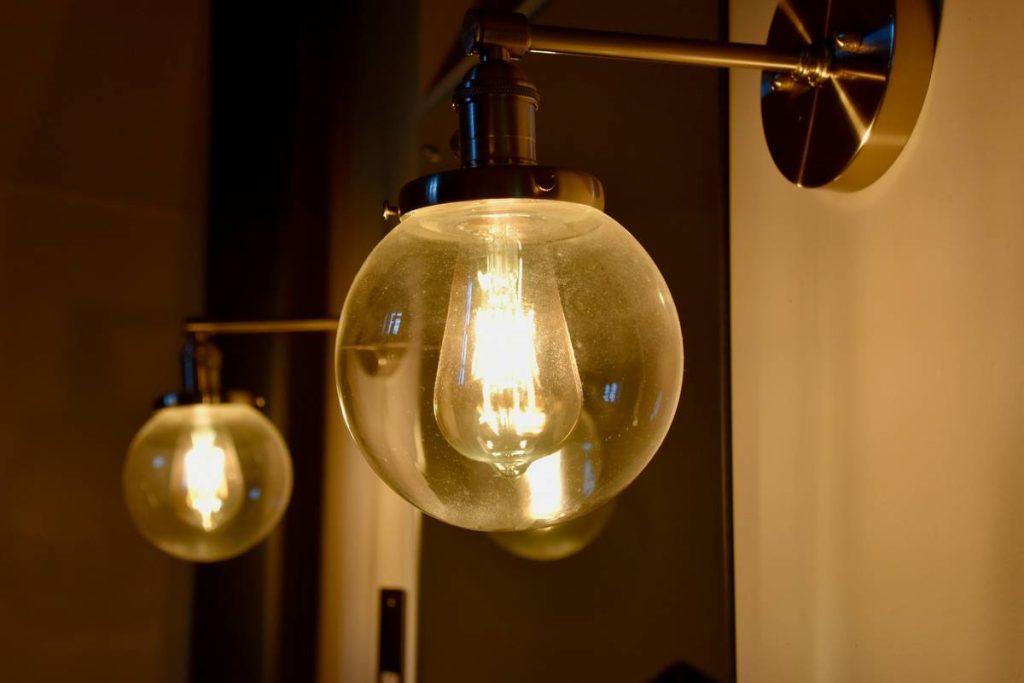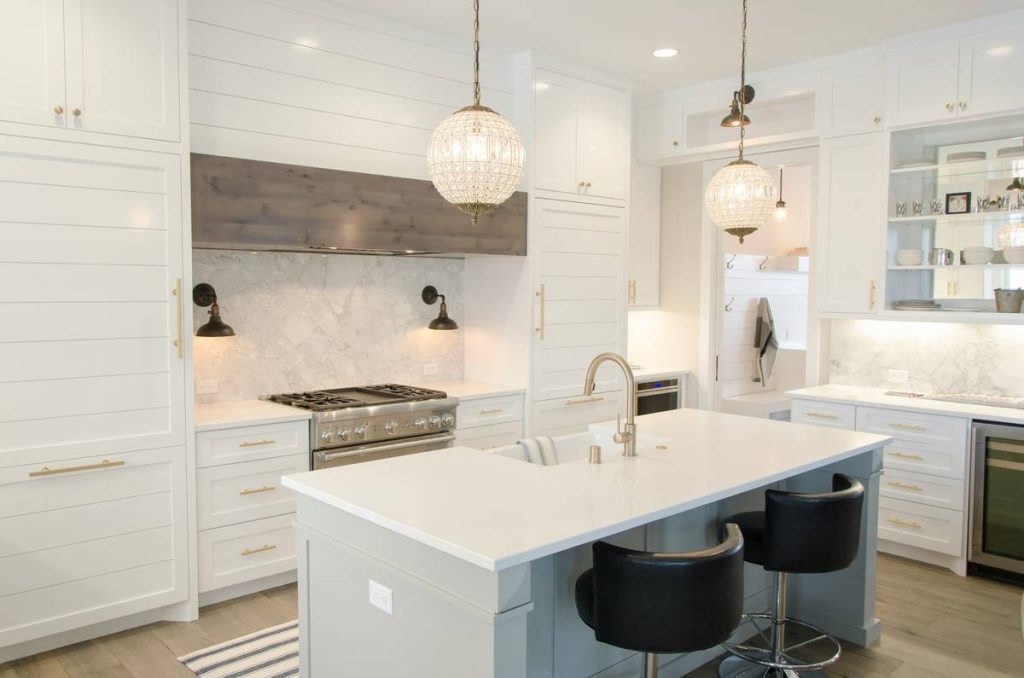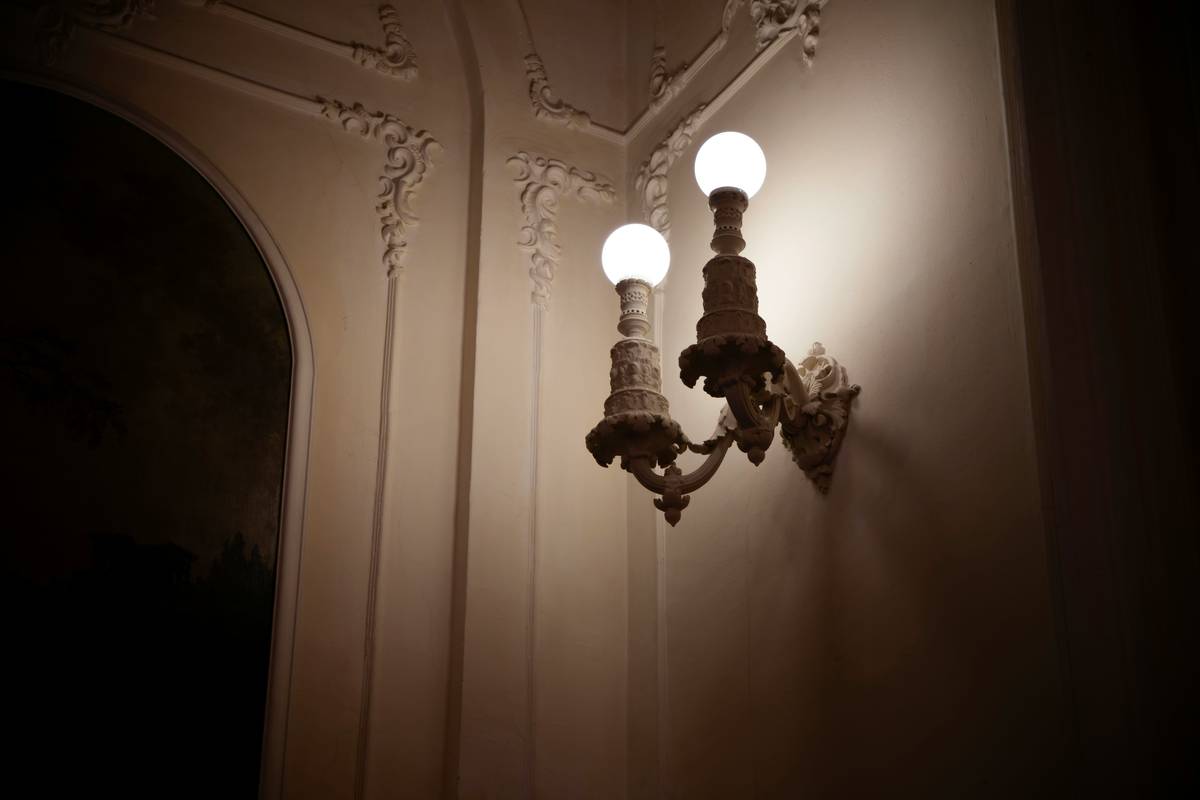
Most homeowners treat wall mounted sconce lighting fixtures as afterthoughts—tacked on for “a little extra light.” Big mistake. Poorly chosen or misplaced sconces create awkward shadows, clash with architecture, and scream “rental property.” But done right? They sculpt space, elevate mood, and cost far less than a full remodel. The solution isn’t more light—it’s smarter placement.
The Core Problem: Why Most Wall Sconces Fail to Impress
People slap sconces beside mirrors or hallways because catalogs tell them to. And it backfires. Hardwired units without dimming options blast harsh glare. Battery-operated knockoffs flicker within months. Worst of all—they ignore room psychology.
Light isn’t just functional. It’s emotional architecture. A poorly angled fixture in a dining nook kills intimacy. An oversized sconce in a narrow corridor feels like visual noise. The math is simple: wrong scale + bad height + zero layering = wasted money.
And here’s what nobody says: many electricians install sconces at standard switch height (48 inches) regardless of ceiling height or furniture layout. That’s like hanging art at eye level… in a room full of giants.
How to Install Wall Mounted Sconce Lighting Fixtures Like a Pro
Forget cookie-cutter advice. Real impact comes from treating each wall as a canvas—not a utility surface.
Step 1: Audit Your Room’s Light Layers
Every room needs three types: ambient (overhead), task (focused), and accent (atmospheric). Sconces belong in that third category—but only if ambient light isn’t overwhelming. Test this: turn off overheads at night. If the room feels cave-like, your sconces will drown in darkness. Add softer base lighting first.
Step 2: Choose the Right Type for Your Space
Upward-facing sconces bounce light off ceilings—great for low rooms. Downward casts pools ideal for reading corners. Adjustable arms? Perfect for highlighting artwork without rewiring. Avoid fully enclosed globes unless you want that 90s hotel vibe.
Step 3: Nail the Placement Math
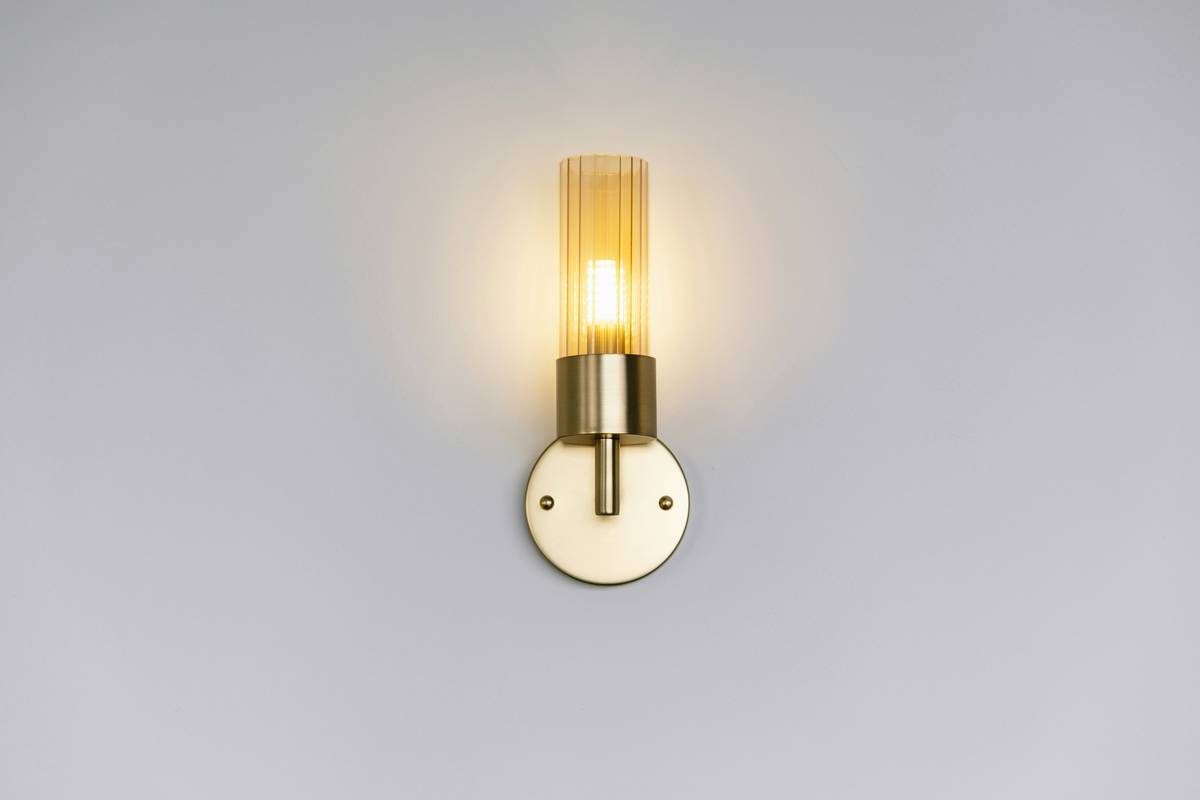
The golden rule: center the light source at 60–66 inches from the floor. Not the fixture base—the bulb itself. Beside a bed? Align with shoulder height when seated (usually 42–48”). Flanking a mirror? Keep fixtures just outside eye width to avoid facial shadows. Measure twice. Drill once.
Installation Cost vs. Impact Comparison
| Installation Method | Average Cost | DIY Difficulty | Design Flexibility |
|---|---|---|---|
| Hardwired (new circuit) | $250–$450 per sconce | High (requires licensed electrician) | Maximum—permanent, seamless look |
| Hardwired (tap existing box) | $120–$220 per sconce | Medium (minor electrical work) | High—with proper trim integration |
| Plug-in with cord cover | $40–$90 per sconce | Low (anyone can do it) | Moderate—best for rentals or temporary setups |
| Battery-powered LED | $25–$70 per sconce | None | Limited—short lifespan, inconsistent color temp |
The Industry Secret: Use Sconces to Manipulate Perceived Space
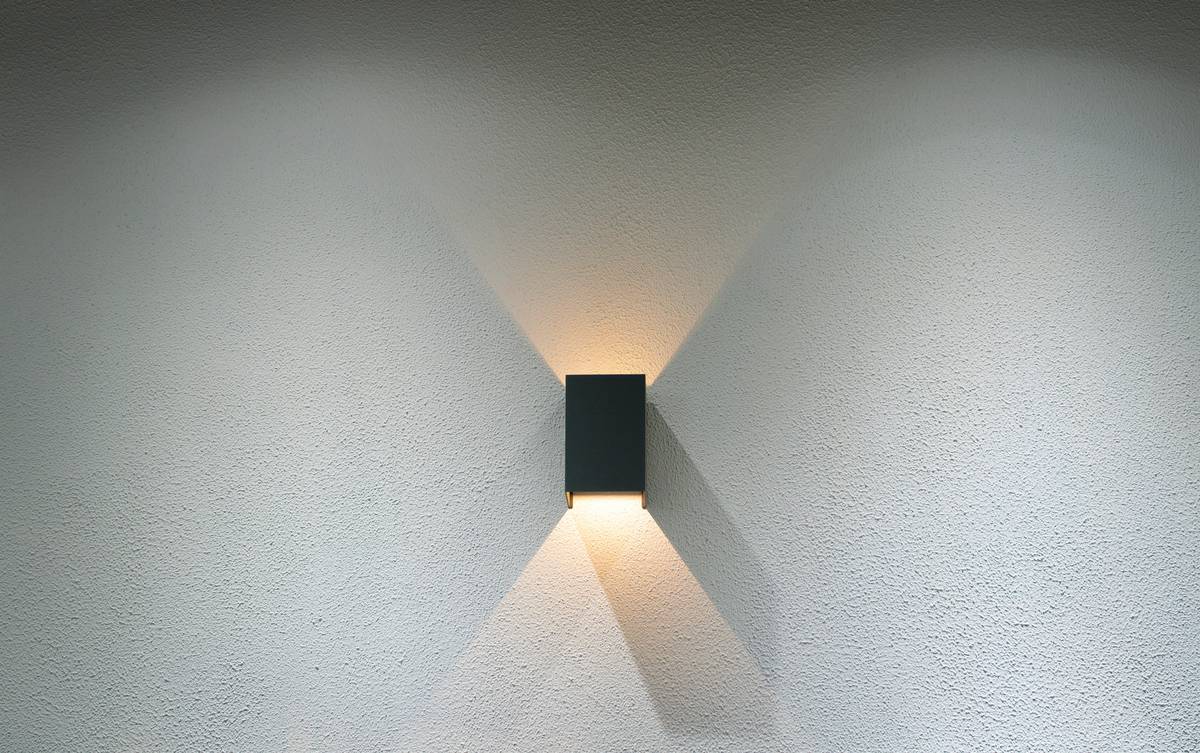
Here’s what high-end designers won’t publish: sconces don’t just light walls—they optically stretch them. Install vertical strip sconces on either side of a narrow entryway, and the brain interprets the reflected light as depth. Suddenly, a claustrophobic hallway feels gallery-like.
I tested this last year in a 400-square-foot Brooklyn apartment. Replaced two flush-mount ceiling lights with four slim vertical sconces at 63 inches along the long walls. Client swore the place “grew” overnight. No drywall moved. Just photons and perception.
But—and this is critical—use warm white (2700K–3000K), not cool. Cool tones flatten surfaces. Warm light hugs texture. Matte black or brushed brass finishes absorb glare; chrome? Only if your walls are museum-white.
Frequently Asked Questions
Can I install wall mounted sconce lighting fixtures without hardwiring?
Yes. Plug-in models with cord covers mimic hardwired looks. Ideal for renters or quick upgrades—just ensure cords match wall color and run vertically.
How far apart should sconces be spaced in a hallway?
For even illumination, space them 6–8 feet apart along corridors longer than 12 feet. In shorter halls, two centered at eye level often suffice.
Are LED bulbs compatible with all sconces?
Most modern wall mounted sconce lighting fixtures accept LEDs, but check max wattage equivalence. Dimmable LEDs require compatible dimmer switches—otherwise, expect buzzing or flickering.