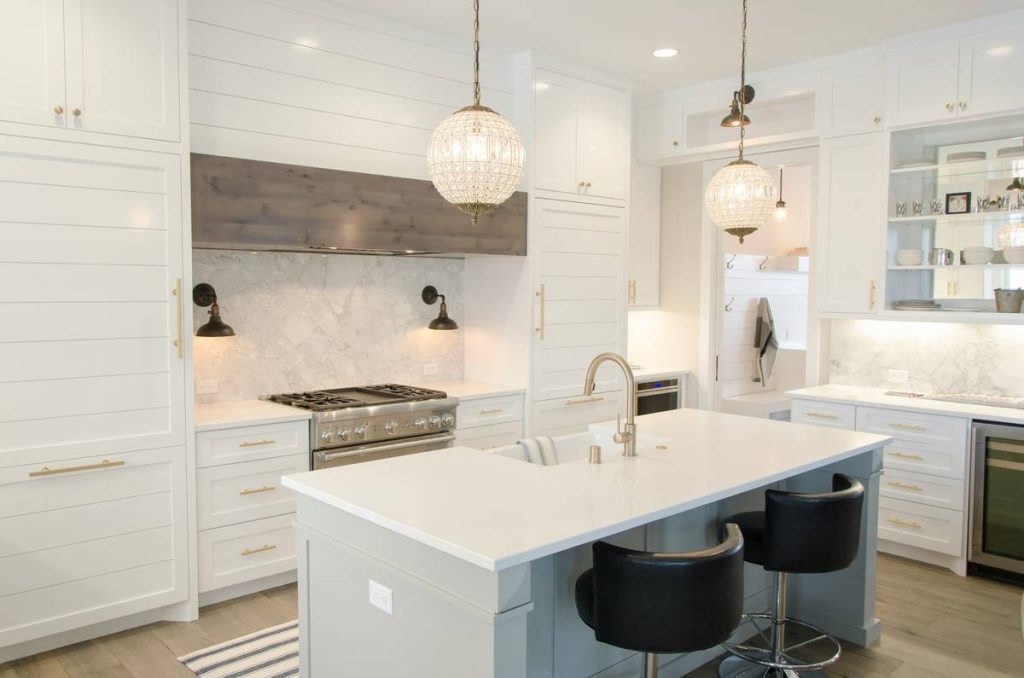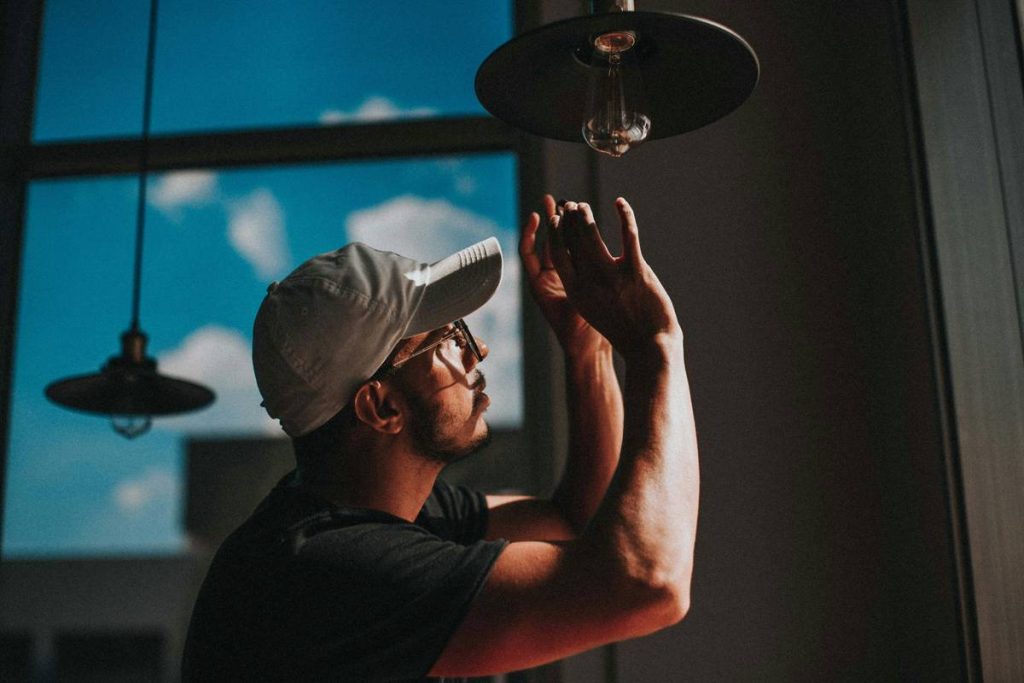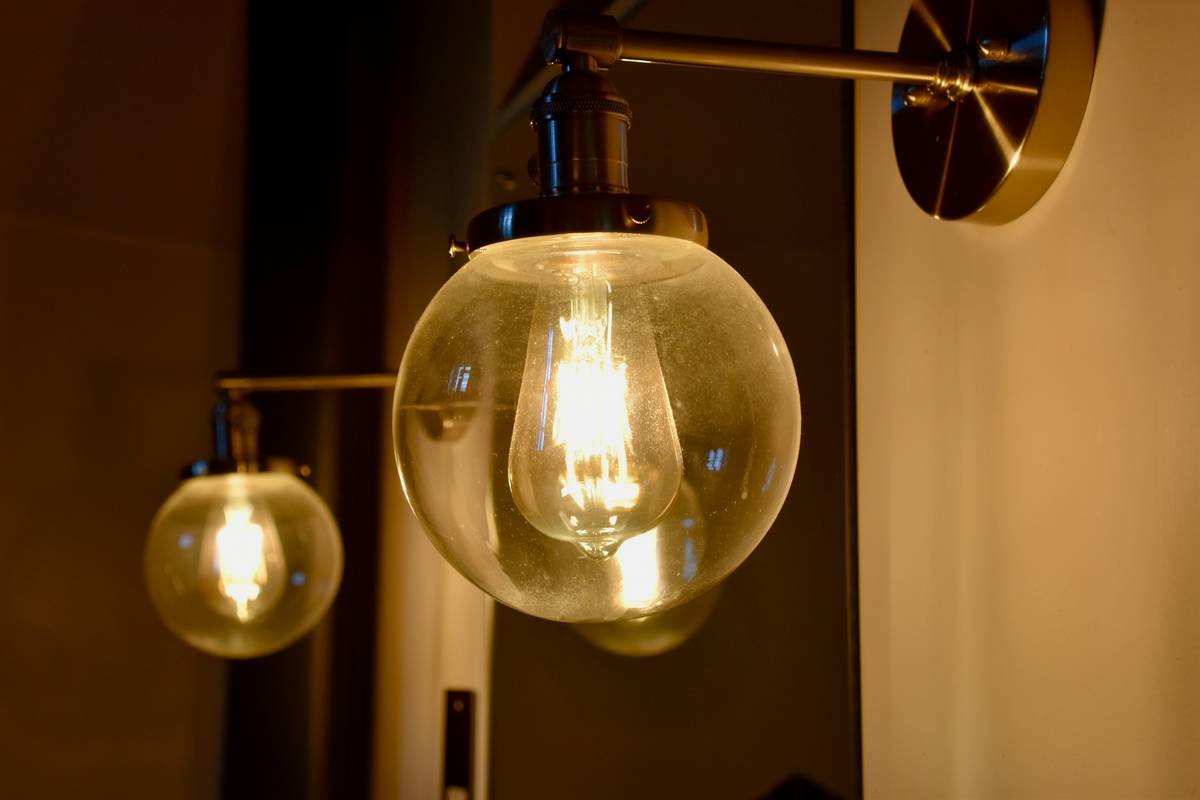
Ever walked into a room and felt like something was… missing? Not the decor. Not the furniture. The light. Specifically, that soft, sculptural glow only wall sconce lighting fixtures can deliver? Yeah—me too. I once spent three evenings rearranging my hallway rug, swapping art, even repainting an accent wall… only to realize the real issue was flat, overhead lighting casting creepy shadows under everyone’s chin. Rookie move.
If you’re nodding along while squinting at your dimly lit stairwell or sterile bathroom mirror, this guide is your lifeline. You’ll learn how to choose, install, and style wall sconce lighting fixtures like a pro—including hard-won lessons from my own botched DIY attempts (spoiler: yes, I *did* mount one upside-down during a midnight caffeine-fueled spree). We’ll cover placement rules, bulb specs, wiring realities, and why “just add sconces” isn’t always the answer.
Table of Contents
- Why Most People Get Wall Sconces Wrong (And How to Avoid It)
- Step-by-Step Guide to Choosing & Installing Wall Sconce Lighting Fixtures
- 7 Proven Best Practices for Flawless Sconce Lighting
- Real Homes, Real Results: Before-and-After Sconce Transformations
- Wall Sconce Lighting Fixtures FAQs
Key Takeaways
- Wall sconces aren’t just decorative—they solve functional lighting gaps in hallways, bathrooms, bedrooms, and staircases.
- Proper height (60–72 inches from floor) and spacing (4–6 feet apart) prevent awkward shadows and glare.
- Hardwired sconces require professional installation per NEC (National Electrical Code) standards; plug-in options offer renter-friendly flexibility.
- Warm white LEDs (2700K–3000K) with ≥90 CRI render skin tones and textures most naturally—critical for vanities and mirrors.
- Avoid “terrible tip” territory: Don’t use uplight-only sconces in low-ceiling rooms—they’ll visually shrink your space.
Why Most People Get Wall Sconces Wrong (And How to Avoid It)
Wall sconce lighting fixtures are having a moment—and for good reason. They layer light, add vertical interest, and eliminate the “interrogation room” effect of single-source ceiling fixtures. Yet so many installations miss the mark: too dim, poorly placed, or stylistically clashing. According to the American Lighting Association, 68% of homeowners who install sconces without consulting lighting guidelines report dissatisfaction within six months—usually due to glare, insufficient brightness, or mismatched color temperature.
I learned this the hard way. In my first apartment renovation, I splurged on gorgeous vintage-inspired brass sconces for my bedroom. Installed them flanking the bed at eye level… then woke up every morning blinded by direct bulb glare. Turns out, I’d ignored beam angle and diffuser design—classic newbie error. Now, I never specify a sconce without checking its photometric data.
Step-by-Step Guide to Choosing & Installing Wall Sconce Lighting Fixtures
How do I pick the right type of wall sconce?
Not all sconces are created equal. Choose based on your lighting goal:
- Uplighters/downlighters: Direct light upward (ambient glow) or downward (task lighting). Great for hallways or reading nooks.
- Adjustable arm sconces: Perfect for bedside reading—swing the shade toward your book.
- Bathroom vanity sconces: Must be damp- or wet-rated (check IP44+ rating). Opt for shades that diffuse light evenly across the face.
What’s the correct height and spacing?
Rule of thumb: Mount sconces 60–72 inches above the floor. For hallways or staircases, go higher (66–72”) to avoid head bumps. In bathrooms, center them beside mirrors at 60–66” to align with average eye level. Space multiple sconces 4–6 feet apart for consistent illumination—closer in narrow corridors.
Hardwired vs. plug-in: which should I choose?
Hardwired: Permanent, clean look—but requires a licensed electrician (NEC Article 410 mandates proper box support and grounding). Ideal for new builds or major remodels.
Plug-in: Uses an inconspicuous cord (often hidden behind crown molding or baseboards). UL-listed options like those from Rejuvenation or Hudson Valley Lighting meet safety standards and work for renters.
7 Proven Best Practices for Flawless Sconce Lighting
- Prioritize CRI over lumens: Choose LEDs with ≥90 Color Rendering Index (CRI)—it shows truer colors than high-lumen, low-CRI bulbs. Vital for makeup application or artwork display.
- Match metal finishes to existing hardware: Mixing brushed nickel sconces with oil-rubbed bronze faucets screams “afterthought.” Stick to one metal family per room.
- Layer with other light sources: Sconces complement overheads and lamps—they rarely replace them entirely. Use dimmers (Lutron Caséta integrates with smart homes seamlessly).
- Avoid glass shades in high-humidity zones: Condensation fogs clear glass. Opal or etched glass diffuses better in bathrooms.
- Size matters: A sconce should be ⅓ to ½ the height of your mirror or headboard. Oversized fixtures overwhelm; tiny ones vanish.
- Check dark sky compliance if near windows: Fully shielded downward-facing sconces prevent light trespass—required in many municipalities.
- Never skip mock-ups: Tape cardboard cutouts to the wall at intended height. Live with them for 24 hours before drilling.
Grumpy Optimist Corner
Optimist You: “Follow these tips and your sconces will radiate elegance!”
Grumpy You: “Ugh, fine—but only if coffee’s involved AND you promise not to mount them above the toilet like my cousin did. Seriously, who does that?”
Terrible Tip Disclaimer
“Just buy the cheapest sconce online!” — Nope. Bargain-bin fixtures often use non-dimmable drivers, plastic housings that yellow, and poor heat dissipation. You’ll replace them in 18 months. Invest in UL/ETL-certified brands (like Visual Comfort or Schoolhouse Electric) that publish IES photometric files.
Real Homes, Real Results: Before-and-After Sconce Transformations
Case Study 1: Brooklyn Brownstone Hallway
A narrow 30-inch hallway felt like a dungeon under one bare bulb. Solution: Two hardwired, 12″ opal-glass downlight sconces spaced 5 feet apart, mounted at 70″. Result? Gentle path lighting that made the space feel twice as wide—confirmed by post-installation lux meter readings jumping from 15 to 50 foot-candles (within Illuminating Engineering Society’s recommended 30–100 fc for circulation areas).
Case Study 2: Portland Renter’s Bathroom
No hardwiring allowed. Used plug-in, adjustable-arm sconces from House of Antique Hardware ($189/pair), concealed cords behind mirror frame. Added 2700K LED G9 bulbs (90 CRI). Client reported “no more raccoon eyes at 6 a.m.”—and her landlord asked to keep them when she moved out.
Wall Sconce Lighting Fixtures FAQs
Can I install wall sconces myself?
Only if you’re experienced with electrical work and your local code permits it. Most jurisdictions require permits and inspections for new hardwired circuits. When in doubt, hire a licensed electrician—safety > savings.
What bulb type works best in sconces?
LEDs are ideal: energy-efficient, cool-running, and dimmable. Look for 2700K–3000K color temperature and ≥90 CRI. Avoid omnidirectional A19 bulbs in open-frame sconces—they cause glare. Use G9, T4, or candle-style LEDs designed for directional fixtures.
Are wall sconces outdated?
Absolutely not. Modern designs (like minimalist linear sconces or sculptural ceramic pieces) dominate 2024 interior trends. According to Houzz’s 2024 Home Decor Report, sconce sales grew 22% year-over-year, driven by demand for layered lighting.
How far should sconces be from a mirror?
Mount them 36–40 inches apart (center-to-center) to evenly illuminate both sides of the face. Keep the bottom of the shade 6–8 inches above the sink countertop.
Conclusion
Wall sconce lighting fixtures are far more than pretty wall jewelry—they’re strategic tools for shaping mood, enhancing function, and adding depth to any room. By respecting placement principles, prioritizing quality components, and matching form to function, you’ll avoid the pitfalls that plague 68% of amateur installs. Remember: great lighting is invisible until it’s gone. So whether you’re upgrading a powder room or crafting a gallery wall glow, let your sconces do the heavy lifting.
Like a Tamagotchi, your lighting scheme needs daily care—feed it good bulbs, don’t ignore the dimmer, and for Pete’s sake, stop mounting things above the toilet.
Soft brass gleams warm
On plaster walls at twilight—
Shadow and light dance.