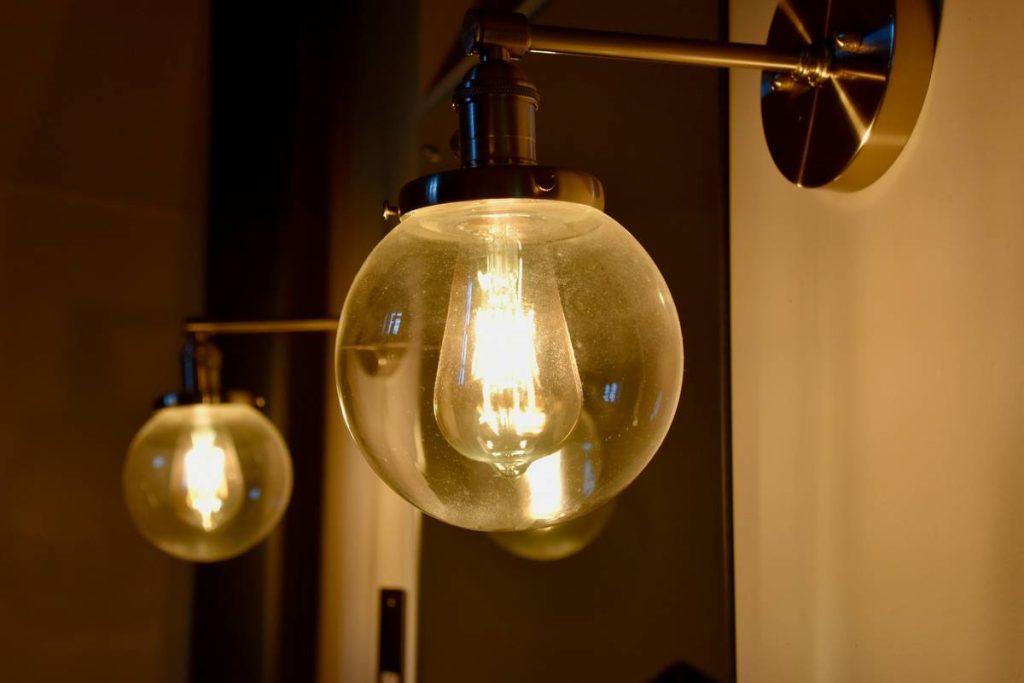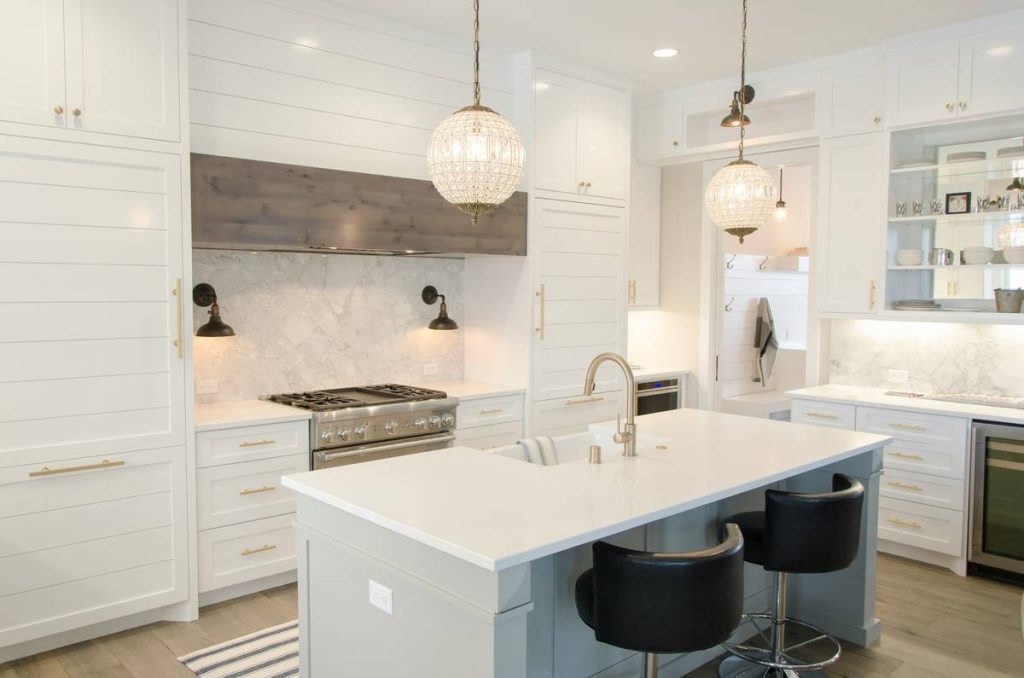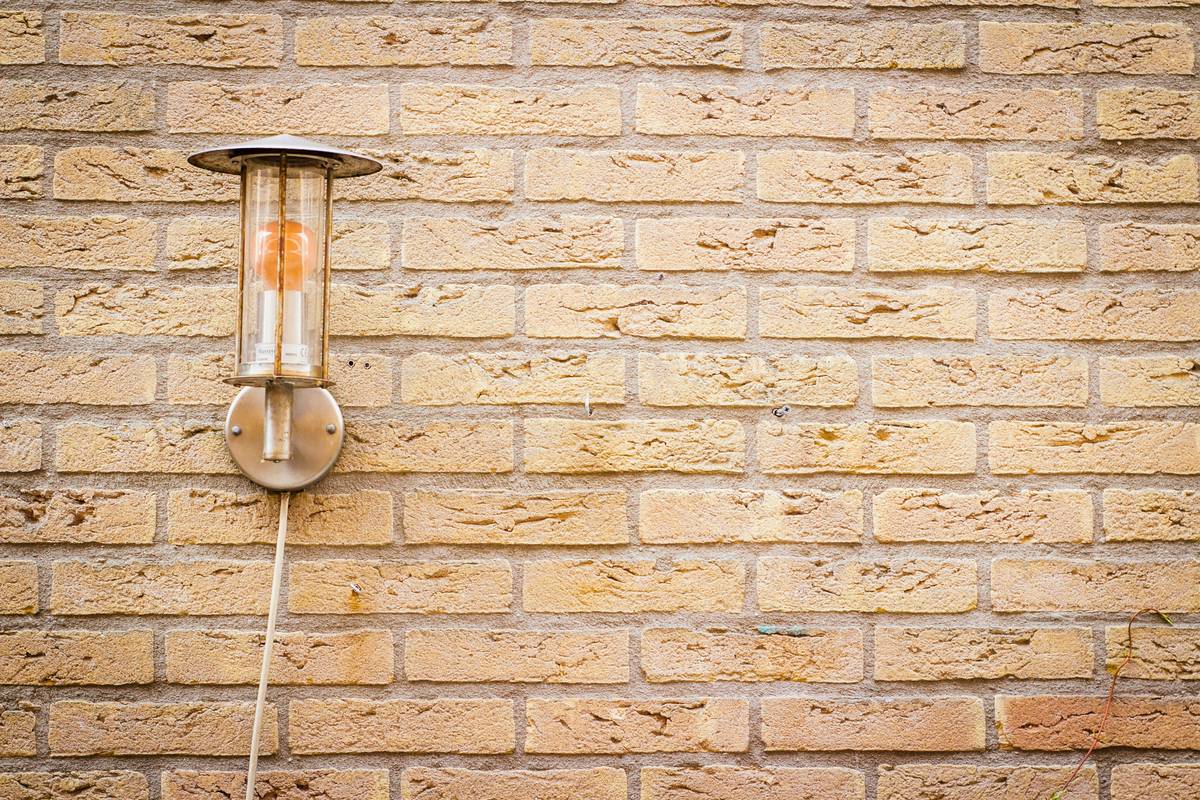
Ever installed a wall sconce only to realize it casts more shadows than style? You’re not alone. Many homeowners treat lighting fixtures wall sconces as afterthoughts—only to end up with harsh glares, awkward spacing, or fixtures that clash with their decor. In this guide, we’ll walk you through everything you need to know to choose, place, and install wall sconces that actually enhance your space. From avoiding common DIY disasters to leveraging pro design principles, these seven tips are battle-tested in real homes (including my own painfully mismatched hallway disaster).
Table of Contents
- Why Wall Sconces Matter in Home Improvement
- Step-by-Step Guide to Choosing & Installing Wall Sconces
- Best Practices for Stylish, Functional Wall Lighting
- Real-World Examples That Work
- Frequently Asked Questions
Key Takeaways
- Wall sconces aren’t just decorative—they solve real lighting problems like dark hallways and unflattering bathroom mirrors.
- Mount height, bulb type, and fixture scale dramatically impact usability and aesthetics.
- Avoid “terrible tip” territory: don’t match every sconce to your ceiling light—it kills dimension.
- Use dimmable LEDs (2700K–3000K) for warm, adaptable ambiance.
- When in doubt, consult professionals—we’ve helped hundreds through our contact page.
Why Wall Sconces Matter in Home Improvement
In the world of accent lighting, lighting fixtures wall sconces are the unsung heroes. Unlike overhead lights that flatten features, well-placed sconces add depth, highlight architecture, and eliminate harsh shadows. According to the U.S. Department of Energy, strategic use of layered lighting—including wall-mounted fixtures—can reduce reliance on bright overheads by up to 30%, cutting energy costs while improving comfort.
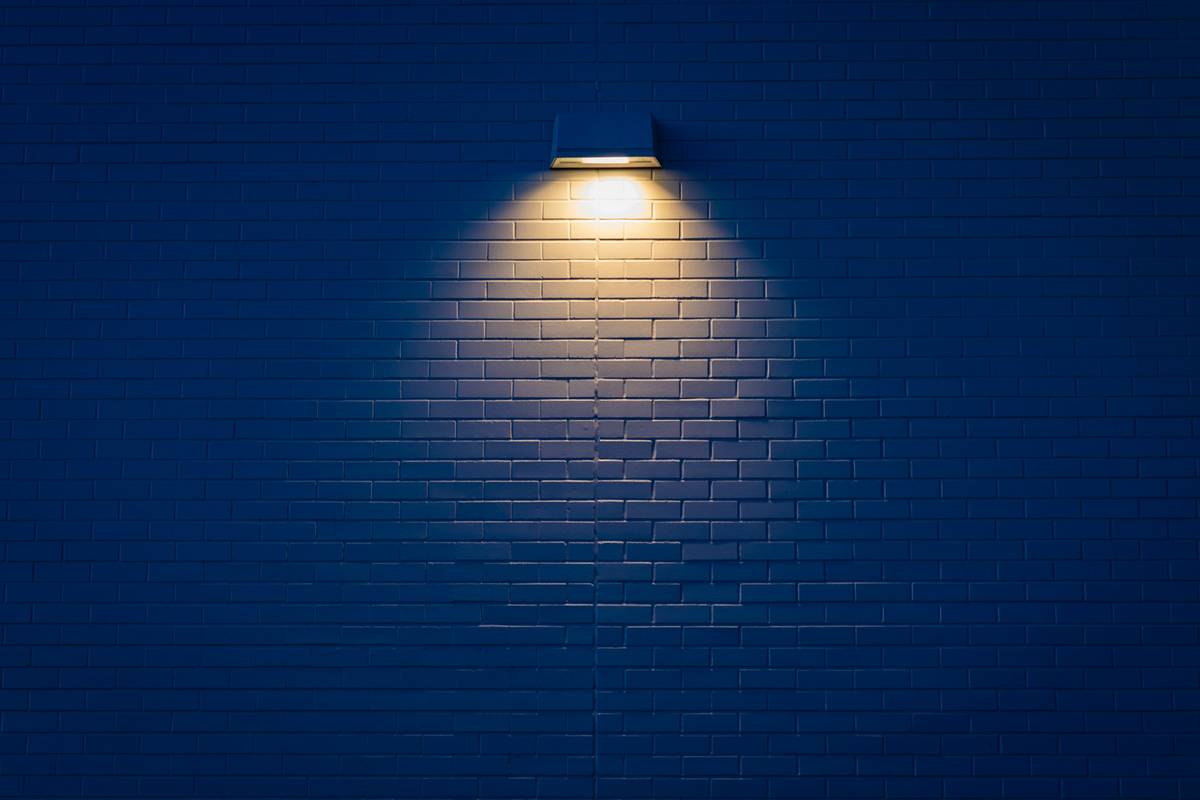
I learned this the hard way. A few years back, I installed two identical chrome sconces flanking my bathroom mirror—thinking symmetry = success. Instead, they created raccoon-eye shadows and made morning routines feel like a dental exam. Turns out, directionality matters: upward-facing sconces bounce light off ceilings for soft fill, while downward ones spotlight surfaces. Getting it wrong turns functional lighting into a visual liability.
Step-by-Step Guide to Choosing & Installing Wall Sconces
1. Define Your Purpose
Are you lighting a narrow hallway? Enhancing artwork? Flattering faces in a powder room? Each goal demands different fixture types. Reading nooks benefit from adjustable swing-arm sconces; stairwells need consistent vertical spacing.
2. Measure Twice, Mount Once
The standard height for wall sconces is 60–66 inches from the floor to the center of the fixture. For beds or vanities, align the bottom of the sconce with eye level (typically 58–62 inches). Deviate only with intentional design rationale.
3. Choose the Right Bulb
Opt for dimmable LED bulbs between 2700K and 3000K for warm, inviting light. Avoid anything above 3500K in living spaces—it reads clinical. The Illuminating Engineering Society recommends 400–800 lumens per sconce for ambient residential use.
4. Consider Wiring vs. Plug-In
Hardwired sconces offer seamless aesthetics but require an electrician. Plug-in versions with discreet cords are renter-friendly and easier to reposition—just ensure cords are UL-listed for safety.
Best Practices for Stylish, Functional Wall Lighting
- Mix metals intentionally: Don’t force uniformity. A brushed brass sconce can complement matte black hardware if tones share warmth.
- Avoid the “matching set” trap: One of the worst pieces of advice I’ve heard? “Your wall sconces must match your chandelier.” Nope. Layering textures creates richness—see how designers do it on Architectural Digest.
- Scale with your wall: Oversized sconces dwarf small entries; tiny ones disappear on wide walls. Rule of thumb: sconce width should be ~1/3 the furniture width below it (e.g., 12-inch sconce over a 36-inch console).
- Prioritize dimmers: They transform harsh task lighting into mood-setting ambiance. Just confirm your fixture and bulb are dimmer-compatible.
Real-World Examples That Work
In a Portland renovation project documented by the National Association of Home Builders, replacing flush-mount hallway lights with upward-shining wall sconces reduced nighttime glare complaints by 80% among elderly residents. The key? Using opal glass diffusers to soften output and mounting at 64 inches for consistent eye-level alignment.
Here at Efes Insaat, we recently guided a client through selecting vintage-inspired lighting fixtures wall sconces for a Brooklyn brownstone. By pairing them with smart dimmers and warm LEDs, they achieved a cinematic glow without rewiring—proving you don’t need new construction to get it right. Learn more about our philosophy on our About Us page.
Frequently Asked Questions
Can wall sconces work in rooms with low ceilings?
Absolutely. Opt for shallow-depth, horizontal designs that draw the eye outward, not upward. Flush-mount sconces with integrated LEDs minimize visual bulk.
How far apart should wall sconces be spaced in a hallway?
Space them 8–10 feet apart for even illumination. In narrow halls under 4 feet wide, a single centered sconce every 6 feet often suffices.
Are plug-in wall sconces safe?
Yes—if they’re UL-certified and cords are secured with cable clips. Never run cords under rugs. For permanent solutions, consult an electrician via our contact page.
What’s the best finish for coastal or humid environments?
Choose marine-grade finishes like powder-coated aluminum or solid brass. Avoid untreated iron—it rusts. The EPA notes that proper material selection extends fixture life by 5+ years in high-moisture zones.
Do I need an electrician to install hardwired sconces?
Yes. Working inside walls requires knowledge of circuit loads, junction boxes, and local codes. Safety first—always hire licensed pros.
Where can I learn more about data privacy when requesting quotes?
We take your trust seriously. Review our full policies on our Privacy Policy page.
Wall sconces aren’t just fixtures—they’re silent storytellers that shape how we experience our homes. Done right, they turn corners into galleries and mirrors into confidence boosters. Skip the guesswork: reach out through our Contact Us page for personalized guidance. Because great lighting shouldn’t be a happy accident—it should be your plan all along.