Ever walked into a dim hallway or a bland bedroom and thought, “This space needs… something—but I don’t want another ceiling fixture”? You’re not alone. In my early years as a home lighting consultant, I once installed three recessed cans in a client’s entryway—only to realize they cast harsh shadows that made everyone look like they’d just survived a zombie apocalypse. The fix? A pair of elegant wall sconces. Game. Changer.
If you’ve ever wondered, “What is a sconce light fixture?”—you’re in the right place. We’ll cut through the jargon and illuminate (pun absolutely intended) everything you need to know: how sconces work, where to install them, why they beat overhead lights in mood-critical spaces, and the one rookie mistake that makes designers cringe. By the end, you’ll know exactly how to use wall sconces to add depth, drama, and dimension to any room—without rewiring your entire house.
You’ll learn:
- The true definition—and evolution—of sconce lighting
- How to choose the right type for your space (uplight? downlight? swing-arm?)
- Installation hacks even renters can use
- Real-world examples where sconces transformed dull walls into design statements
Table of Contents
- Key Takeaways
- What Is a Sconce Light Fixture, Really?
- How to Choose and Install Wall Sconces Like a Pro
- Best Practices for Sconce Lighting
- Real Design Win: From Bland to Brilliant with Sconces
- Sconce Light Fixture FAQs
- Final Thoughts
Key Takeaways
- A sconce light fixture is a wall-mounted luminaire that provides ambient, task, or accent lighting—never ceiling-based.
- Modern sconces come in hardwired, plug-in, and battery-operated versions, making them accessible for homeowners and renters alike.
- Ideal mounting height: 60–72 inches from the floor (or 6 inches above eye level when seated).
- Sconces reduce glare, enhance vertical surfaces, and create layered lighting—critical for achieving that “magazine-ready” interior vibe.
- Avoid the #1 mistake: installing mismatched sconces that clash in finish, scale, or light temperature.
What Is a Sconce Light Fixture, Really?
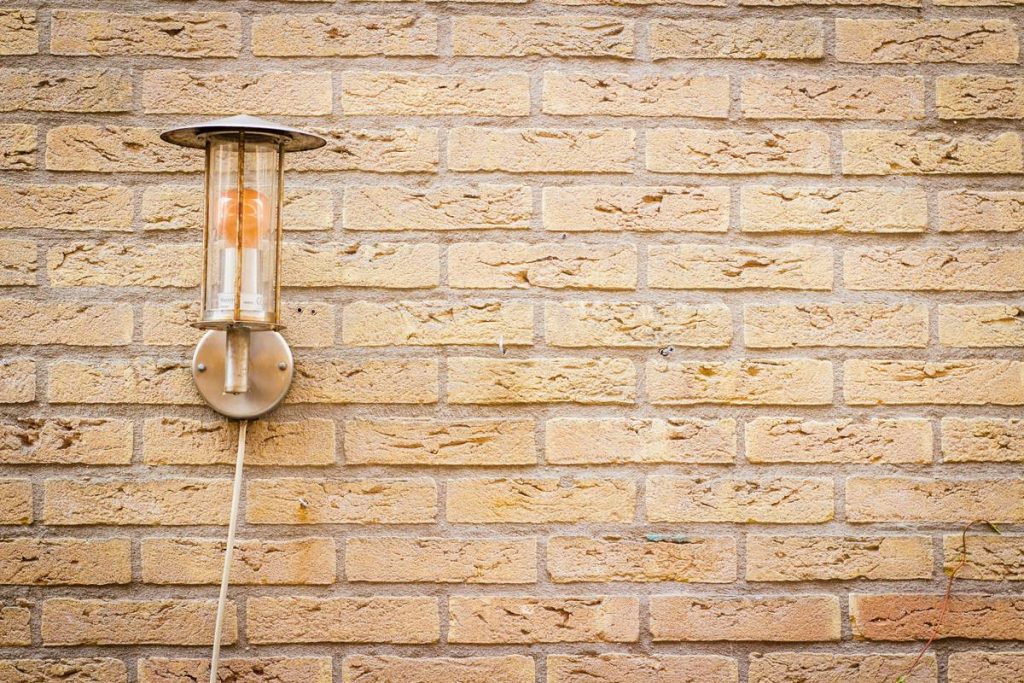
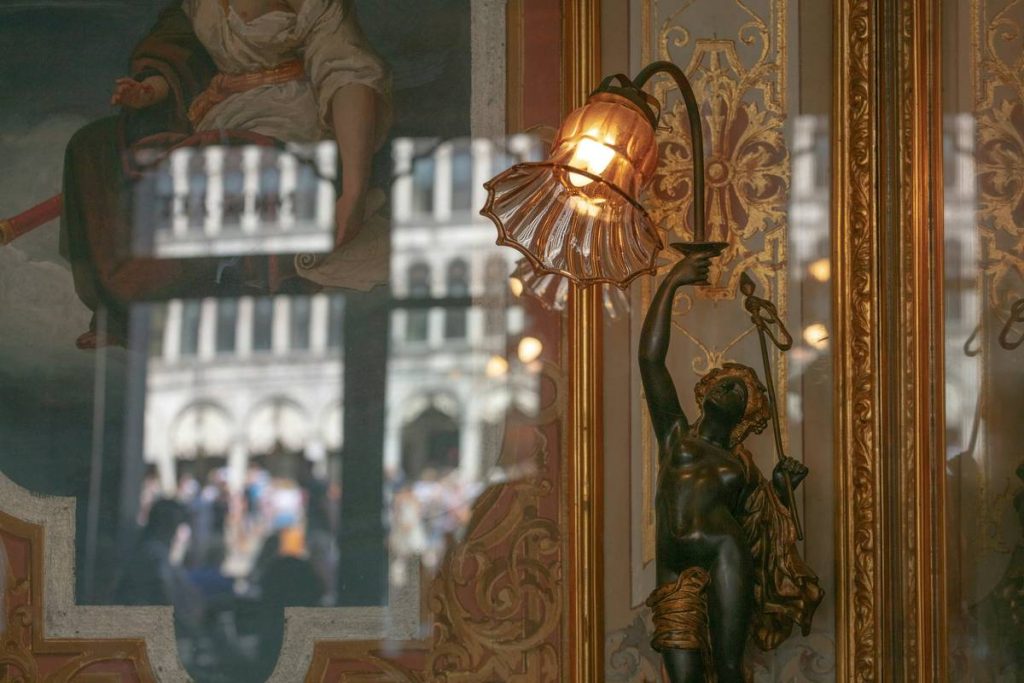
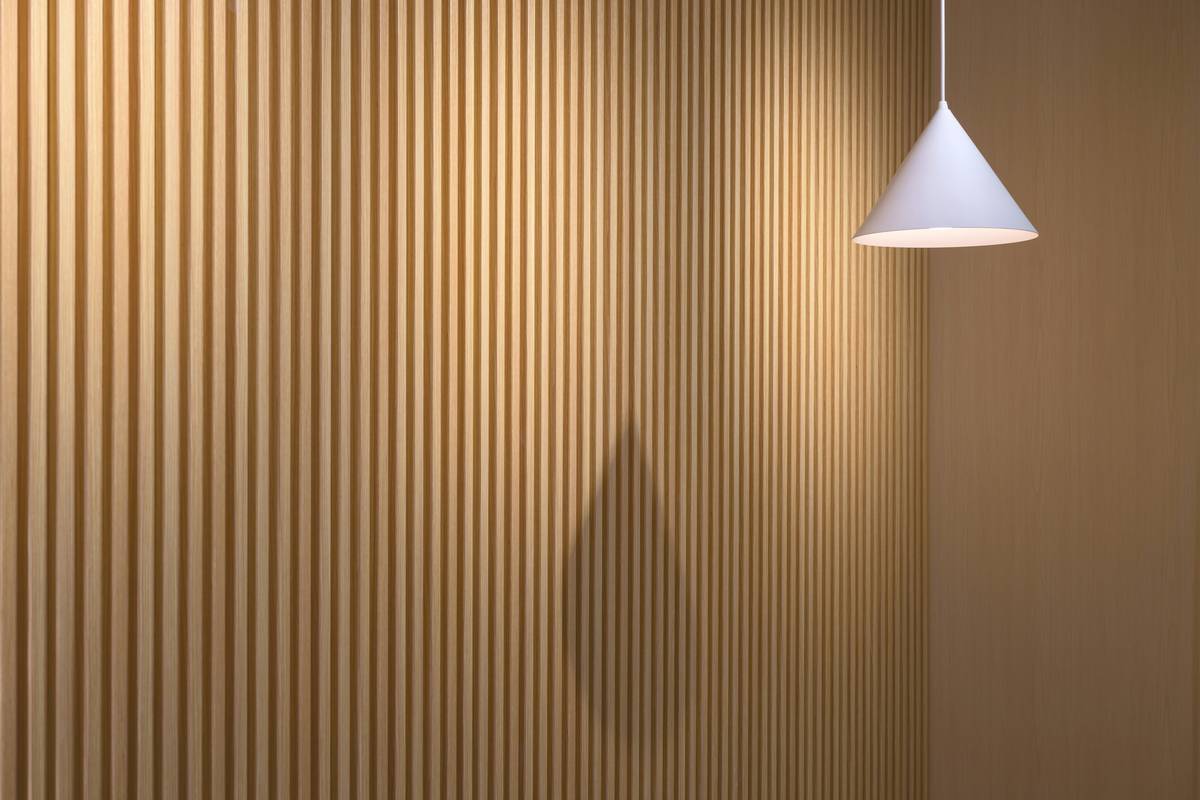
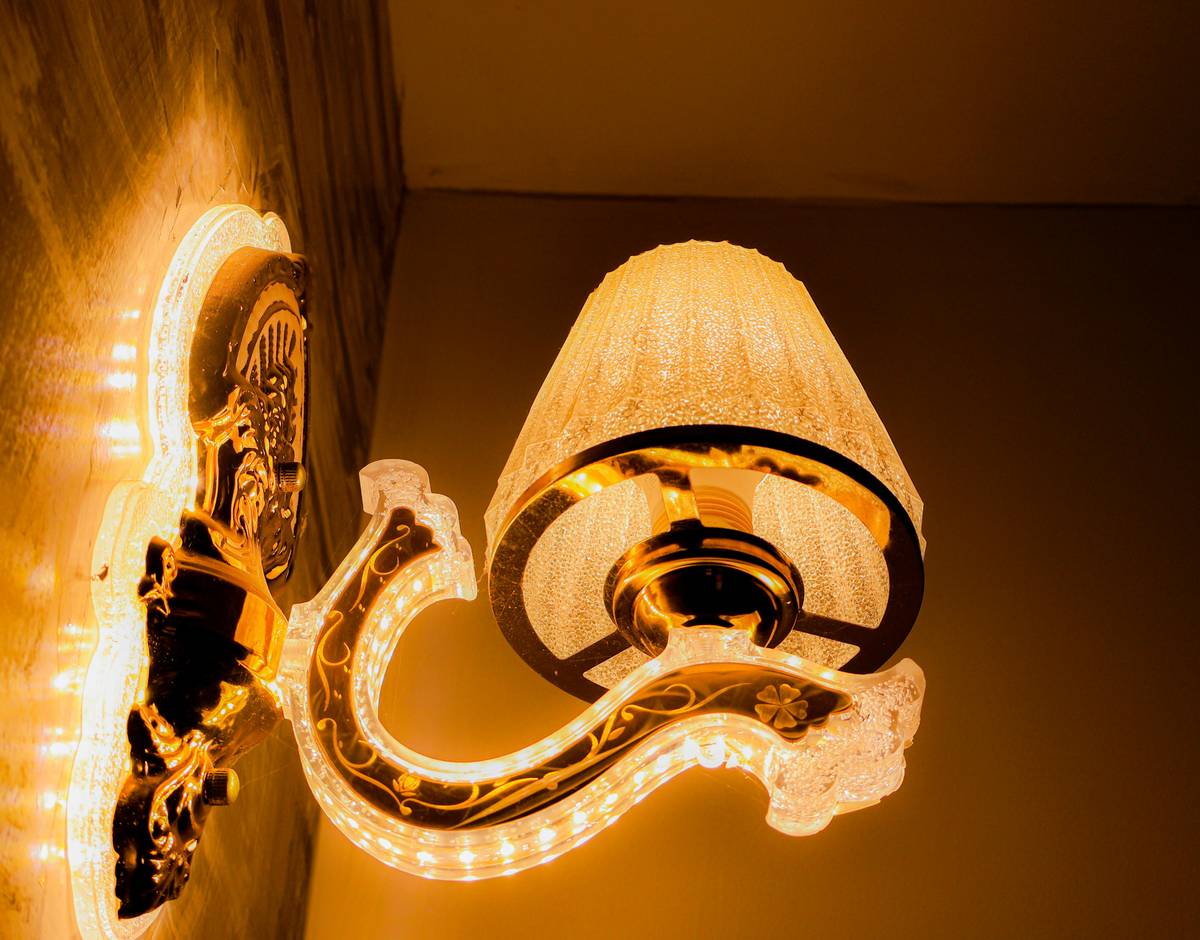
Before LED strips and smart bulbs, there were torches jammed into stone walls—yes, the original sconces. Fast-forward to today, and a sconce light fixture is defined by the Illuminating Engineering Society (IES) as “a luminaire mounted on a vertical surface, designed to emit light upward, downward, or both.” Unlike pendants or chandeliers, sconces hug the wall, freeing up floor and ceiling real estate while adding sculptural interest.
I’ll never forget my first solo project: a Brooklyn brownstone bathroom remodel. My client wanted “spa vibes,” but the room had zero natural light and a low ceiling. Overhead lighting would’ve flattened the space. So I flanked the mirror with two matte-black, up/down bi-directional sconces. The result? Soft, shadow-free illumination that made her skincare routine feel luxurious. That’s the power of sconces—they shape light, not just deliver it.
How to Choose and Install Wall Sconces Like a Pro
Step 1: Match the Sconce Type to Your Need
Optimist You: “Just pick something pretty!”
Grumpy You: “Ugh, fine—but only if coffee’s involved… and you read this first.”
- Uplight sconces: Bounce light off ceilings for ambient glow (great in hallways).
- Downlight sconces: Direct light downward for task lighting (ideal beside beds or vanities).
- Bi-directional: Do both—perfect for creating dimension in living rooms.
- Swing-arm: Adjustable arms for reading nooks (my personal fave for late-night novels).
- Plug-in sconces: No electrician needed—just drill, plug, and go. Renters, rejoice.
Step 2: Nail the Placement
Mount too low? You’ll blind yourself. Too high? It becomes useless decor. The sweet spot:
- Hallways & stairwells: 66–72” from floor
- Bathrooms (flanking mirror): 65–70”, centered with eyes
Bedrooms (reading sconces): 36–48” above mattress top
Step 3: Mind the Wiring
Hardwired sconces require a junction box—hire a licensed electrician unless you’re certified (seriously, don’t risk it). But thanks to brands like Visual Comfort and House of Troy, stylish plug-in options now mimic hardwired aesthetics. Just route the cord discreetly behind furniture or use cord covers painted to match your wall.
Best Practices for Sconce Lighting
Do This:
- Pick consistent finishes: Mixing brushed nickel and oil-rubbed bronze screams “I gave up halfway.” Stick to one metal tone per room.
- Use warm white (2700K–3000K): Cooler temps (4000K+) feel clinical in living spaces.
- Layer with other light sources: Sconces shine brightest (literally) as part of a trio: ambient + task + accent.
- Dimmer switches: Non-negotiable for mood control. Lutron’s Caséta system integrates seamlessly with smart homes.
Terrible Tip Disclaimer:
“Just buy the cheapest sconce on Amazon!” — Nope. Ultra-budget fixtures often have poor diffusers (hello, bulb glare), flimsy mounts, and inconsistent color rendering (CRI under 80). Spend at least $40–$60 per unit for quality optics and durability. Your eyes—and Instagram feed—will thank you.
Real Design Win: From Bland to Brilliant with Sconces
Last year, I worked with a Portland homeowner whose dining room felt “meh”—white walls, basic table, zero personality. Budget? Tight. Solution? Two mid-century modern sconces ($85 each from Rejuvenation) mounted at 68” on either side of a large landscape painting. We used 2700K LED G9 bulbs with a CRI of 90+ for rich, accurate color.
The transformation? Guests now ask, “Who’s your interior designer?” The sconces drew attention to the art, eliminated harsh overhead shadows during dinner, and added architectural rhythm to an otherwise flat wall. All without touching a single ceiling wire.
Sconce Light Fixture FAQs
Are sconces outdated?
Not at all. According to the American Lighting Association’s 2023 Residential Trends Report, wall lighting (especially plug-in sconces) saw a 34% sales increase among renters and urban dwellers seeking flexible, non-permanent upgrades.
Can I install a sconce without an outlet?
Yes—if it’s hardwired (by a pro). For DIYers, look for battery-operated sconces with USB-C recharge (like those from Brightech). Runtime averages 8–12 hours on a full charge.
What’s the difference between a sconce and a wall lamp?
None—they’re synonyms. “Sconce” is the industry term; “wall lamp” is more consumer-facing. Both refer to wall-mounted fixtures.
Do sconces provide enough light?
As primary lighting? Rarely. But as part of a layered scheme? Absolutely. Pair with floor lamps or cove lighting for full-room coverage.
Final Thoughts
So—what is a sconce light fixture? It’s your secret weapon for transforming flat, lifeless walls into dynamic, mood-enhancing canvases. Whether you’re softening a bathroom glow, highlighting artwork, or building a cozy reading nook, sconces deliver function and form in one sleek package.
Remember: great lighting isn’t about brightness—it’s about balance. And with the right sconce, you’re not just lighting a room… you’re setting a scene.
Like a Tamagotchi, your home’s ambiance needs daily care. Feed it good light.
Haiku Break:
Wall hugs the soft light,
Shadow dances, warmth takes hold—
Sconce whispers, “Stay awhile.”