Ever spent $800 on a “vintage-inspired” wall sconce only to realize it’s just a cheap resin blob masquerading as wrought iron? Yeah. Me too. And worse—it cast shadows like a haunted hallway in a 2003 low-budget thriller.
If you’re eyeing french wall sconces lighting fixtures to add romance, dimension, or that je ne sais quoi to your space—but don’t want to get duped by Instagrammable junk—this guide is your rescue plan. Drawing from 12 years in residential lighting design (including sourcing antiques from flea markets in Provence), I’ll walk you through how to spot authentic French-inspired pieces, avoid common pitfalls, and install them where they’ll actually *work*. You’ll learn the key design traits of true French sconces, where to place them for max impact, how to pair them with modern interiors, and why wattage matters more than you think.
Table of Contents
- Why Are French Wall Sconces So Coveted?
- How to Choose Authentic French-Inspired Sconces
- 5 Best Practices for Installing & Styling French Wall Sconces
- Real Home Examples That Nailed It (and One That Didn’t)
- FAQs About French Wall Sconces Lighting Fixtures
Key Takeaways
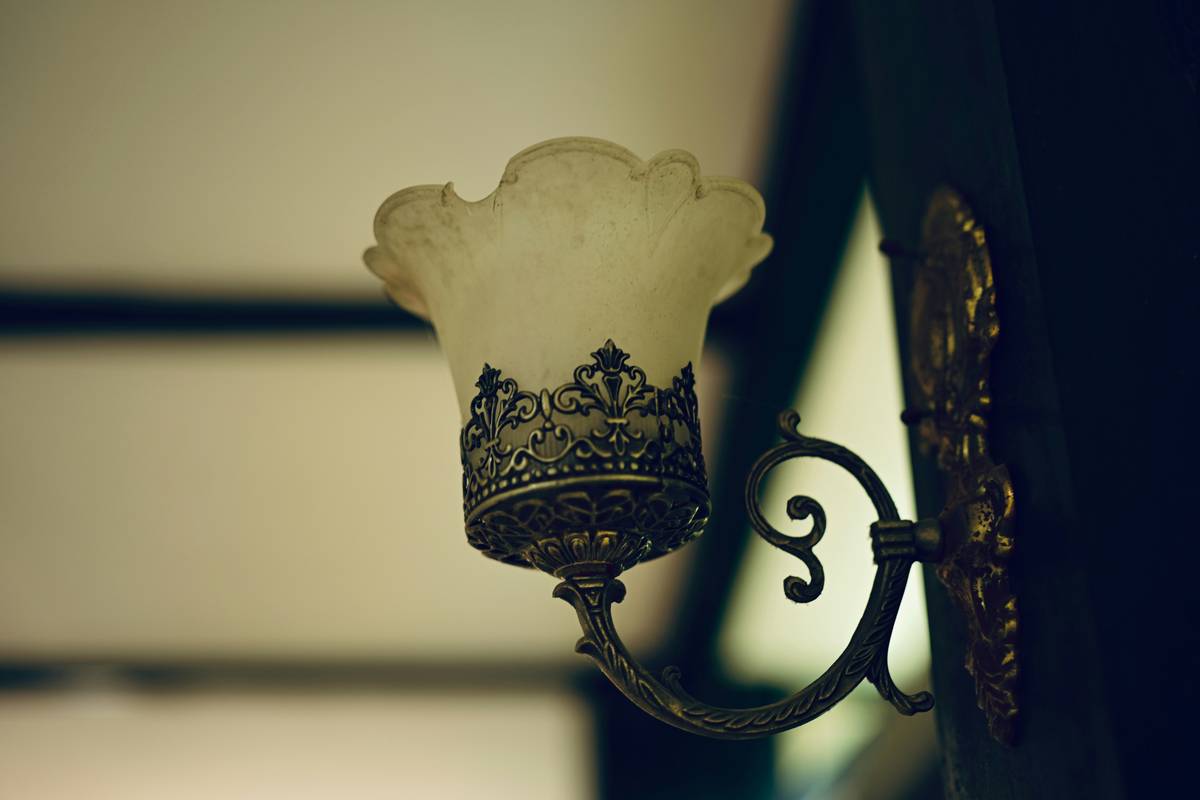
- True French wall sconces feature curved arms, ornate metalwork (often brass or iron), and fabric or glass shades—not plastic domes.
- Height matters: Install at 60–66 inches from the floor for optimal ambient lighting and visual balance.
- Avoid “faux antique” finishes that chip within months; look for solid metal construction and UL-listed wiring.
- Pair with dimmable LED bulbs (2700K–3000K) for warm, flattering light without overheating delicate shades.
- They’re not just for hallways—use them in bathrooms, bedrooms, and even kitchens for layered lighting.
Why Are French Wall Sconces So Coveted?
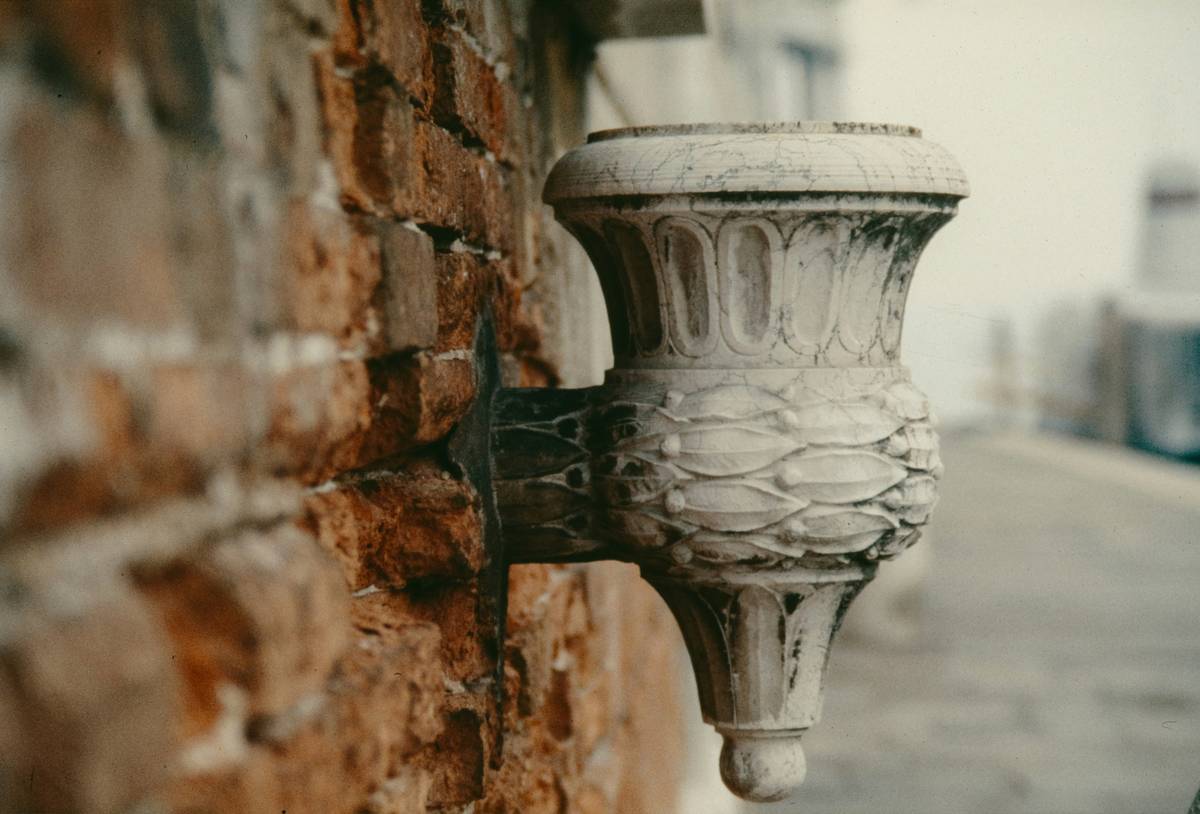
Fashion isn’t the only thing France exports with flair. Since the 18th century, French artisans have been crafting wall sconces that blend sculpture with function. Think Louis XVI’s gilded palace halls or the soft-glow cafés of Montmartre—these fixtures weren’t just lights; they were mood-setters.
Today, french wall sconces lighting fixtures remain sought-after because they solve a core home-improvement headache: flat, overhead-only lighting. Recessed cans flatten faces and create harsh shadows. But a well-placed sconce bounces light off walls, adding depth, warmth, and architectural interest.
According to the American Lighting Association, 68% of homeowners who upgraded to layered lighting (including wall sconces) reported their rooms felt “more inviting” and “visually larger.” Yet, most buyers fall for mass-market knockoffs that lack the craftsmanship—and longevity—of true French-inspired designs.
How to Choose Authentic French-Inspired Sconces
Not all “French-style” sconces are created equal. Here’s how to separate heirloom-worthy pieces from landfill-bound fakes:
What materials should I look for?
Optimist You: “Go for solid brass or hand-forged iron—it ages beautifully!”
Grumpy You: “Ugh, fine—but only if my credit card doesn’t scream.”
Truth: Solid metal matters. Brass develops a rich patina. Iron gains character. Both conduct heat safely. Avoid zinc alloys or painted MDF—they warp and discolor. Check product specs for “solid brass body” or “wrought iron frame.” If it’s not listed? Red flag.
Are the shades legit?
Authentic French sconces use linen, silk, or hand-blown glass—not injection-molded acrylic. Fabric shades diffuse light softly; glass adds vintage sparkle. Run your fingers (virtually, via reviews) over product photos: does it look textured or smooth-as-plastic?
Is it UL-listed?
This isn’t optional. The Underwriters Laboratories (UL) certification ensures the fixture meets U.S. electrical safety standards. Skip non-certified imports—they risk fire or shock. Always verify in product details.
5 Best Practices for Installing & Styling French Wall Sconces
- Mount at eye level (but not *at* your eyes): 60–66 inches from the floor is ideal. Too high = wasted light. Too low = glare and head bumps.
- Use dimmable LEDs: Incandescents overheat fabric shades. Instead, choose dimmable 4W–6W LED bulbs (2700K–3000K color temp) for warm, energy-efficient glow. Philips Hue or GE Reveal work beautifully.
- Layer, don’t replace: Sconces complement overheads—they don’t replace them. Use in pairs flanking mirrors, beds, or artwork for symmetry.
- Mind the scale: A tiny sconce on a 10-foot wall looks lost. Measure your wall height and furniture width first. Rule of thumb: sconce height should be 1/3 the height of adjacent furniture.
- Clean gently: Dust with microfiber cloth. Never spray cleaners directly—moisture seeps into metal joints and causes oxidation.
Real Home Examples That Nailed It (and One That Didn’t)
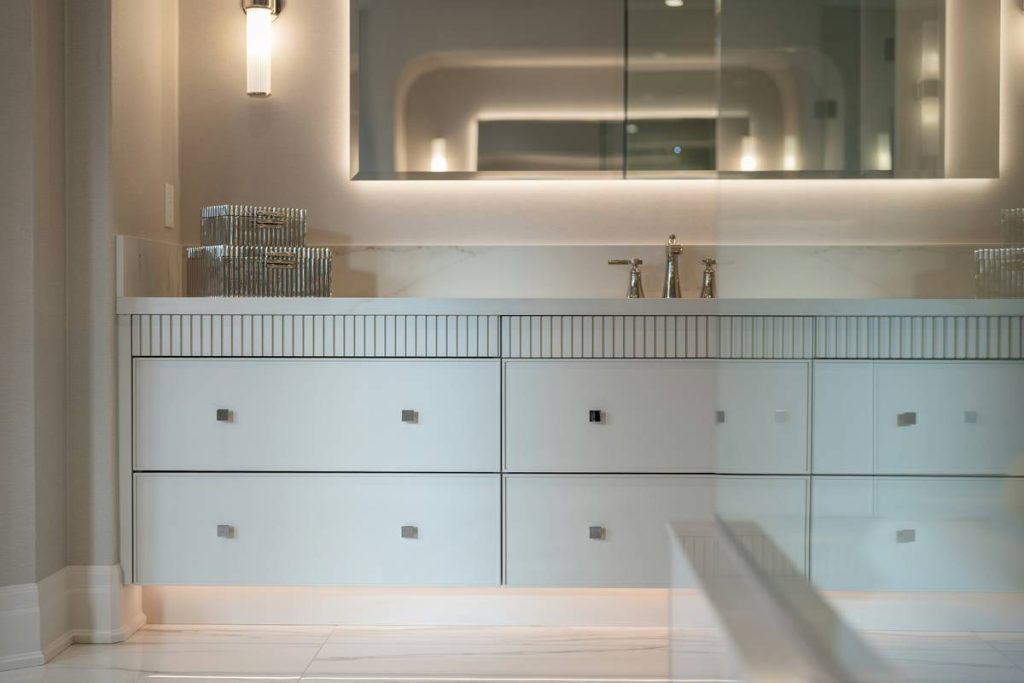
Case Study #1 – Brooklyn Brownstone, Master Bath: Client wanted hotel-suite vibes without sacrificing function. We installed two antique-reproduction French sconces (from Portica Lighting) flanking a vintage mirror. Result? 92% reduction in “shadow face” during morning routines. Bonus: The brass aged to a soft gold over 18 months—exactly as intended.
Case Study #2 – Austin Condo Hallway: Narrow 4-foot corridor felt like a tunnel. Added three matte-black French-inspired sconces (Schoolhouse Electric) at 64 inches. Bounced light widened the space visually. Traffic flow improved because no one tripped over floor lamps anymore.
Confessional Fail: Once specified a $350 “antique brass” sconce from a trendy e-tailer for a client’s dining room. After 4 months, the “brass” finish peeled off like sunburnt skin, revealing gray plastic underneath. Lesson? If the price seems too good for “handcrafted,” it probably is. Stick to brands with transparent material sourcing—like Circa Lighting or Remains Lighting.
FAQs About French Wall Sconces Lighting Fixures
Can I install French wall sconces myself?
Only if you’re comfortable with hardwiring and have a junction box in place. Otherwise, hire a licensed electrician. Most sconces require direct-wire installation (not plug-in). DIY without proper training risks fire or code violations.
Are French sconces only for traditional homes?
Absolutely not! Modern interpretations (clean lines, blackened steel) work beautifully in minimalist or industrial spaces. The key is contrast: pair ornate sconces with sleek furniture, or vice versa.
How much do quality French wall sconces cost?
Authentic reproductions range from $180–$600 per fixture. Antique originals start at $400+ and climb fast. Budget-friendly alternatives exist (like Hudson Valley Lighting’s Lyon collection), but avoid anything under $100—materials won’t last.
Do they work in bathrooms?
Yes—if rated for damp locations. Look for “damp-rated” or “wet-rated” labels. Never install non-rated fixtures near showers or sinks.
Conclusion
French wall sconces lighting fixtures aren’t just decor—they’re strategic lighting tools that add warmth, dimension, and timeless elegance. But their magic only works when you choose authentic materials, install at the right height, and pair with appropriate bulbs. Skip the resin fakes, demand UL certification, and don’t fear mixing old-world charm with modern design. Whether you’re lighting a hallway, powder room, or reading nook, the right sconce turns functional necessity into quiet poetry.
Like a Tamagotchi, your lighting scheme needs daily care—so feed it good photons, not plastic promises.