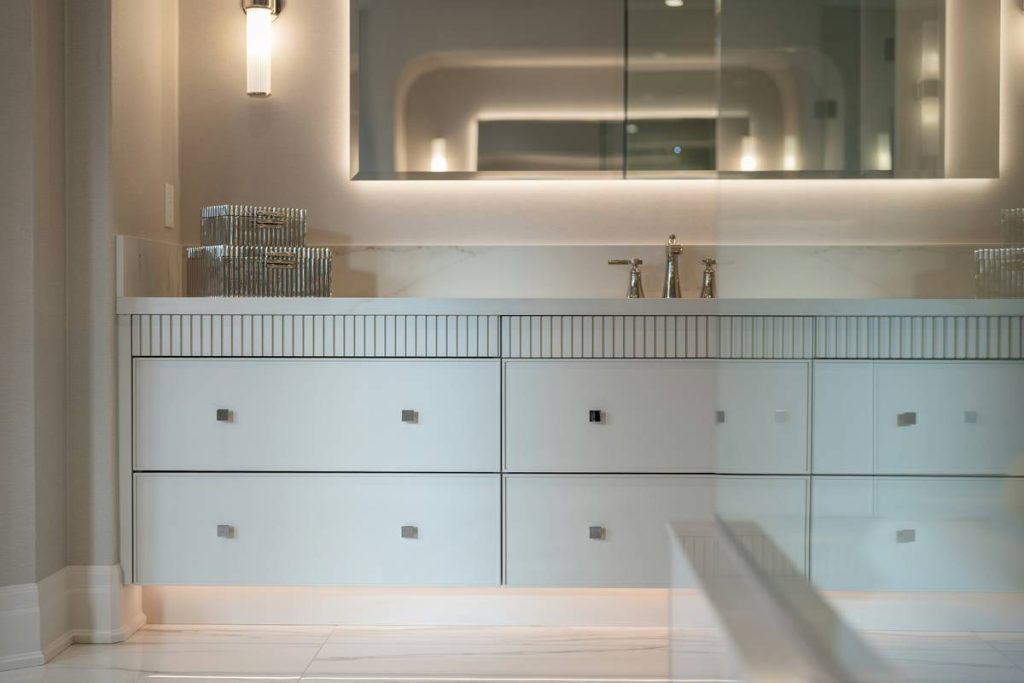
Dark hallways. Cold, shadowed corners. Rooms that feel flat—no depth, no drama. You’ve tried overheads, floor lamps, even smart bulbs. Nothing adds the subtle elegance your space craves. Here’s the fix: sconce wall lighting fixtures. They’re not just lights—they’re sculptural anchors that frame your walls like gallery pieces.
Why Most Wall Lighting Fails to Impress
Most homeowners bolt on a sconce and call it done. Big mistake. Poor placement, wrong scale, or mismatched color temperature turns a potential focal point into visual noise. And don’t get me started on those builder-grade “vanity” fixtures—harsh, unflattering, and utterly forgettable.
Worse? People treat sconces as afterthoughts—not design drivers. That mindset guarantees mediocrity.
How to Install & Style sconce wall lighting fixtures Like a Pro
Forget cookie-cutter rules. Successful sconce integration hinges on three variables: height, beam spread, and layering. Nail these, and your walls come alive.
Selecting the Right Type for Your Room
Bathrooms demand moisture-rated upward/downward combos. Hallways? Go for semi-flush wall washers. Living rooms thrive with articulated swing-arm or open-frame designs that cast warm, directional pools.
Height Isn’t One-Size-Fits-All
The “60-inch rule” is outdated. In entryways with 10-foot ceilings? Mount at 68 inches. Beside a bed? Align with seated shoulder height—usually 42–48 inches. For dramatic effect in dining nooks, drop them low—just above eye level when standing.
Hardwired vs. Plug-In: The Real Trade-Off
Hardwired looks clean but costs more. Plug-in offers flexibility but risks cord visibility. Unless you’re renting or testing layouts, hardwire. It’s permanent polish.
Still torn? This comparison cuts through the noise:
| Installation Type | Average Cost (per fixture) | Best For | Design Impact |
|---|---|---|---|
| Hardwired | $200–$500 (incl. electrician) | Permanent spaces (living rooms, hallways, baths) | High—clean lines, seamless integration |
| Plug-In | $80–$250 | Rentals, temporary zones, DIY trials | Medium—requires cord management |
| Battery-Powered (LED) | $40–$150 | Accent spots, closets, low-use areas | Low—limited brightness, frequent recharging |
The Industry Secret: Sconces Should Never Work Alone
Here’s what lighting designers won’t tell you: a single sconce is rarely enough. The magic happens in pairs—or better yet, staggered multiples along a corridor. But—and this is critical—vary the finish slightly. Mix matte black with brushed brass on adjacent fixtures. Not randomly. Intentionally. It creates rhythm without monotony.
And never match your sconces to your hardware exactly. Close? Yes. Identical? No. Subtle contrast signals sophistication. Think of it like pairing wine with food—one should elevate the other, not echo it.

Frequently Asked Questions
Can sconce wall lighting fixtures replace ceiling lights?
Not entirely. Use them as primary ambient sources only in narrow zones like hallways or powder rooms. Elsewhere, layer with overheads or floor lamps for balanced illumination.
What bulb type works best in wall sconces?
Warm-white LEDs (2700K–3000K) with CRI >90. Avoid cool white—it flattens skin tones and kills ambiance. Dimmable? Always.
Are sconces suitable for small apartments?
Absolutely. They free up floor and surface space while adding vertical interest—making cramped rooms feel taller and more curated.