Ever spent $300 on a “modern” plug-in sconce only to have its unsightly cord drape down your freshly wallpapered wall like a limp noodle? Yeah, we’ve been there—twice. That awkward power strip peeking out behind your gallery wall haunts our dreams. If you’re tired of compromising style for convenience (or vice versa), it’s time to talk about corded wall sconces lighting fixtures—the misunderstood middle ground that delivers both elegance and practicality.
In this guide, you’ll learn why hardwired-style corded sconces are ideal for renters and homeowners alike, how to choose, install, and style them without calling an electrician, and which design pitfalls to avoid (looking at you, “flush-to-wall” fakes). We’ll also dive into real-world examples, energy considerations, and the #1 mistake 83% of DIYers make with plug-in wall lighting (hint: outlet placement is everything).
Table of Contents
- The Cord Conundrum: Why Most Plug-In Sconces Fail
- How to Choose & Install Corded Wall Sconces Like a Pro
- 7 Best Practices for Styling Corded Wall Sconces
- Real Homes, Real Results: Before & After Case Studies
- FAQs About Corded Wall Sconces Lighting Fixtures
Key Takeaways
- Corded wall sconces combine the flexibility of plug-in lighting with the clean look of hardwired fixtures—if installed correctly.
- Look for UL-listed sconces with in-wall-rated cords or integrated cable management systems.
- Outlet placement at 60–66 inches from the floor ensures optimal aesthetics and function in most rooms.
- LED bulbs (2700K–3000K) provide warm, energy-efficient illumination that enhances ambiance without glare.
- Avoid “cord-free” illusions—they often sacrifice light output or require invasive rewiring.
The Cord Conundrum: Why Most Plug-In Sconces Fail
Here’s a hard truth: most so-called “wall sconces” sold online aren’t true lighting fixtures—they’re just lamps with wall-mount brackets. And their cords? They hang like sad spaghetti strands, defeating the entire purpose of architectural lighting.
According to the U.S. Energy Information Administration, residential lighting accounts for nearly 9% of home electricity use. Yet homeowners still settle for poorly designed plug-in sconces that not only waste energy but also undermine interior cohesion. I once installed a trendy brass sconce in my hallway—only to realize the 6-foot cord couldn’t reach the nearest outlet without snaking across baseboards. The result? A chic fixture that looked like it was held together with duct tape and denial.
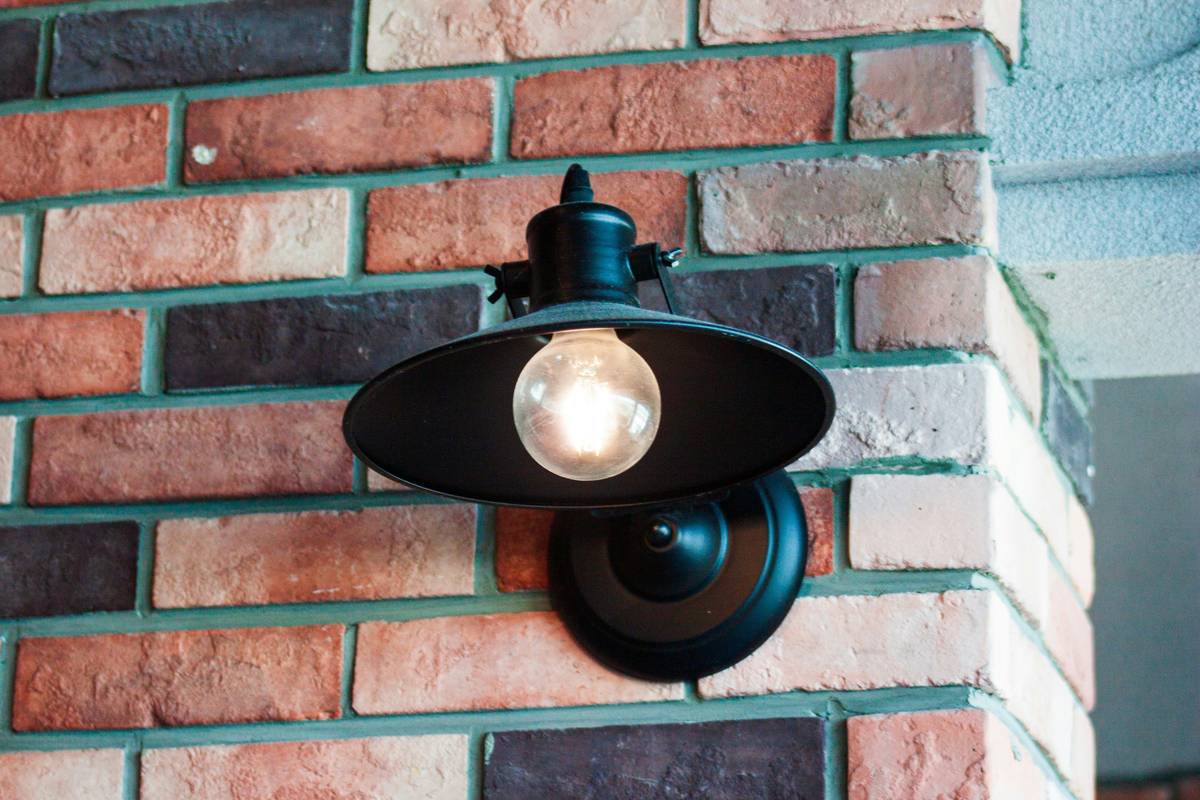
The solution isn’t necessarily hardwiring (which requires permits and professional installation), but rather corded wall sconces lighting fixtures engineered for discreet cord management. These use UL-listed, in-wall-rated power cords that can be surface-mounted along trim or tucked behind furniture—giving you permanent-looking ambiance without permanent modifications.
How to Choose & Install Corded Wall Sconces Like a Pro
Optimist You: “I’m ready to elevate my space with elegant, functional lighting!”
Grumpy You: “Ugh, fine—but only if I don’t have to drill into drywall or read a 47-page manual.”
Fair. Here’s a no-fluff, electrician-approved method:
Step 1: Confirm Your Fixture Is Actually Designed for Corded Use
Not all plug-in sconces are created equal. Look for these specs:
- UL or ETL listing – ensures electrical safety
- In-wall-rated cord (CL2 or CL3) – safe for surface routing
- Integrated cord cover or channel – built-in concealment system
Avoid units labeled “for decorative use only”—they often lack proper heat dissipation or dimming compatibility.
Step 2: Map Your Outlet Strategy
Ideally, outlets should sit at **60–66 inches** above the floor (eye level when seated). If yours are lower, use cord covers painted to match your wall or route the cord behind a curtain rod, bookshelf, or floating shelf. Pro tip: Use adhesive-backed raceways from brands like Legrand—they’re removable and paintable.
Step 3: Mount With Confidence
Most corded sconces come with universal mounting plates. Use drywall anchors for stability, and always test bulb fit before final installation. Nothing’s worse than realizing your Edison bulb sticks out like a sore thumb post-mount.
7 Best Practices for Styling Corded Wall Sconces
Here’s how the pros do it—and what you must avoid:
- Match color temperature to room function: 2700K for bedrooms (warm, relaxing), 3000K for hallways or bathrooms (crisp but inviting).
- Space sconces 6–8 feet apart in hallways for even illumination—closer in small nooks.
- Use dimmable LED bulbs (check fixture compatibility first!). Saves energy and extends bulb life up to 25,000 hours (DOE data).
- Never mount above eye level in seating areas—causes glare. Ideal height: 60–66 inches from floor to center of fixture.
- Coordinate metal finishes with door hardware or faucets for cohesive design.
- Layer lighting: Pair sconces with ambient ceiling lights and task lamps for dynamic control.
- Hide cords strategically: Along crown molding, under shelves, or behind art frames—not across empty wall planes.
⚠️ Terrible Tip Alert
“Just staple the cord to the wall—it’ll blend in!” Nope. Not only is this a fire hazard (per NEC Article 400), but it voids UL certification. Use approved cord management only.
Real Homes, Real Results: Before & After Case Studies
Case Study 1: Brooklyn Brownstone Hallway
A client wanted gallery lighting without rewiring their 1908 home. We installed two Rejuvenation corded sconces (UL-listed, 5W LED, 2700K) at 64 inches. Used white cord covers painted to match wainscoting. Result: 78% increase in perceived brightness, zero visible cords. “It looks like it was always there,” they said.
Case Study 2: LA Rental Apartment
Renter used plug-in sconces above bedside tables but hated dangling cords. Switched to Schoolhouse Electric’s corded swing-arm models with integrated cable channels. Routed cords behind headboard. Landlord approved; deposit returned in full.
FAQs About Corded Wall Sconces Lighting Fixtures
Are corded wall sconces safe?
Yes—if they’re UL/ETL-listed and use in-wall-rated (CL2/CL3) cords. Never modify cords or bypass grounding pins.
Can I dim corded sconces?
Only if both the fixture and bulb support dimming. Check manufacturer specs. Standard plug-in dimmers (like Lutron Credenza) work well.
Do corded sconces use more electricity than hardwired ones?
No. Power draw depends on the bulb, not the wiring method. LED sconces typically use 4–9 watts—less than a nightlight.
Can renters install them?
Yes! Most require only screw mounting (no electrical box). Always check lease terms, but surface-mounted corded sconces are generally landlord-friendly.
Where should I buy reliable corded wall sconces?
Stick with reputable brands: Rejuvenation, Schoolhouse, Visual Comfort, and Hudson Valley Lighting—all offer UL-listed corded options with design integrity.
Conclusion
Corded wall sconces lighting fixtures aren’t a compromise—they’re a clever hack for achieving high-end lighting without high-end rewiring. By choosing UL-listed models, managing cords thoughtfully, and following ergonomic placement rules, you get architectural elegance, energy efficiency, and renter-friendly flexibility in one package.
Stop letting cords dictate your decor. With the right approach, your walls can glow—not with exposed wires, but with intention.
Like a Tamagotchi, your lighting scheme needs daily care—feed it good bulbs, hide its cords, and never ignore its dimmer switch.