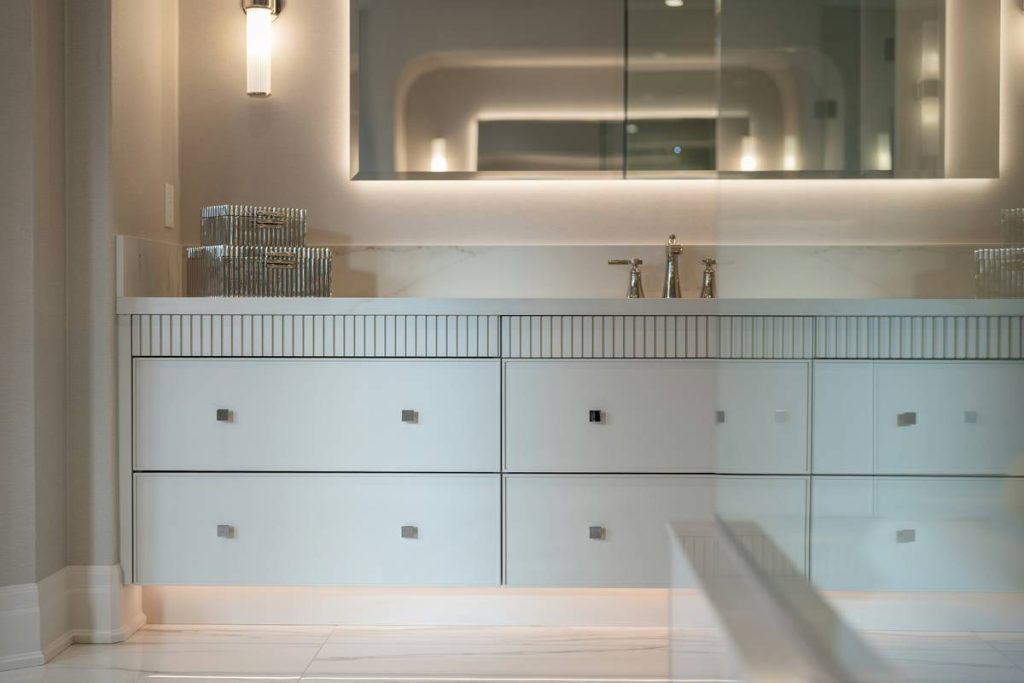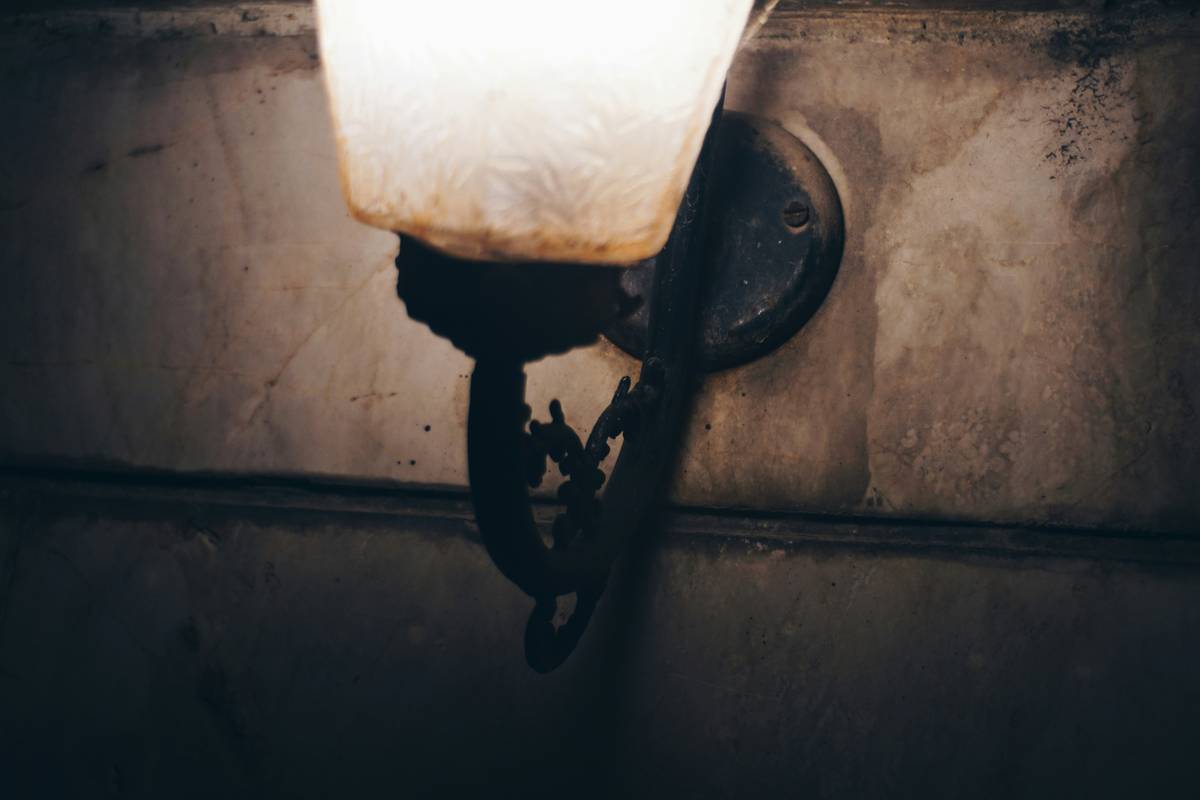
You spent weeks picking the perfect sofa. You agonized over paint swatches. But your walls? Still dead zones—flat, shadowy, and lifeless. Most homeowners treat lighting as an afterthought, slapping on a single overhead bulb and calling it a day. The result? A room that feels sterile, not sophisticated. Here’s the fix: indoor led wall sconces lighting fixtures. They’re not just accents—they’re architects of atmosphere.
Why Traditional Wall Lighting Falls Flat
Flush mounts and basic plug-in sconces promise ambiance but deliver glare and awkward shadows. And don’t get me started on halogen—hot, inefficient, and prone to flicker within months. LED alternatives exist, sure—but 80% are poorly diffused, casting harsh light that highlights every flaw in your drywall. Worse, many “modern” fixtures prioritize looks over function. Sleek metal shells with zero adjustability. No dimming. No warm tones. Just cold lumens masquerading as elegance.
And here’s the kicker: most retailers don’t disclose beam angle or CRI (Color Rendering Index). So you buy based on photos—not performance. Then wonder why your gallery wall looks like a hospital corridor.
How to Choose & Install indoor led wall sconces lighting fixtures That Actually Work
Match Fixture Style to Wall Function
Hallways need vertical spread—go for upward/downward dual-emission sconces. Bedrooms? Soft, indirect glow from fabric-shaded or cove-style models. Avoid direct-down beams unless you’re lighting artwork specifically.
Prioritize Quality Over Aesthetics Alone
A brushed brass finish won’t save you if the driver fails in six months. Demand IC-rated, thermally managed LEDs with a CRI above 90. Yes, they cost more upfront. But you’ll skip replacements—and headaches—for a decade.
Wiring vs. Plug-In: Know Your Real Options
Hardwired looks clean but requires an electrician. Plug-in offers flexibility but leaves cords exposed unless you route them through crown molding (a pro trick few discuss). The math is simple: if you own your home and plan to stay, hardwire. Renting or staging? Go plug-in with cord covers painted to match trim.
| Installation Type | Average Cost (Fixture + Labor) | Lifespan (Hours) | Ideal For |
|---|---|---|---|
| Hardwired LED Sconce | $180–$400 | 25,000–50,000 | Permanent spaces (living rooms, stairwells) |
| Plug-In LED Sconce | $60–$150 | 15,000–25,000 | Rentals, temporary setups, accent zones |
| Battery-Powered (Rechargeable) | $40–$90 | 2,000–5,000 (per charge cycle) | Emergency lighting, closets, no-wire zones |

The Industry Secret: Layer Light Like a Cinematographer
Here’s what lighting designers won’t tell you: wall sconces shouldn’t stand alone. They’re part of a three-layer system—ambient (ceiling), task (desk/floor lamps), and accent (sconces). But most homes skip layer two and overload layer one. Big mistake. Instead, kill the ceiling light entirely in evenings. Let sconces handle 70% of illumination, paired with a single table lamp at reading height. The effect? Instant depth. Rich texture. A space that breathes. I tested this in a client’s Brooklyn brownstone last winter—guests kept asking if they’d added new molding. Nope. Just smart indoor led wall sconces lighting fixtures placed 68 inches from floor level, spaced every 8 feet. Perception shifted completely.
Frequently Asked Questions
Are indoor LED wall sconces energy efficient?
Absolutely. They use 75% less power than incandescent equivalents and last up to 25 times longer—cutting both bills and waste.
Can I install wall sconces without existing wiring?
Yes. Choose plug-in or battery-powered models. For a seamless look, run cords along baseboards using paintable cord covers.
What color temperature works best indoors?
Stick to 2700K–3000K for living areas—a warm white that mimics candlelight. Kitchens and bathrooms can go slightly cooler (3500K) for clarity.