You bought a gorgeous mission-style wall sconce. Installed it with care. But the room still feels flat—like something’s missing. You’re not imagining it. Most homeowners treat wall sconces as afterthoughts, slapping them on blank walls like decorative bandaids. Big mistake. A mission lighting fixtures wall sconce isn’t just hardware—it’s architectural punctuation. And when deployed wrong, it kills ambiance instead of creating it.
Why Generic Wall Sconce Advice Fails Mission-Style Homes
Interior blogs tell you to “match your style” and “layer your light.” Cute. But useless. Mission design thrives on clean lines, geometric integrity, and handcrafted warmth. Slap a generic LED sconce with frosted glass next to oak woodwork? You’ve broken the aesthetic contract.
And here’s the kicker: most contractors wire sconces for function, not mood. They hang them too high, use bulbs that bleach out wood tones, or skip dimmers entirely. The result? Harsh, flat lighting that fights the very craftsmanship you paid for.
How to Install a Mission Lighting Fixtures Wall Sconce That Actually Works
Forget plug-and-play. Mission lighting demands intentionality. Follow this field-tested sequence—not the lazy advice flooding Pinterest.
Positioning Is Everything—Not Just Height
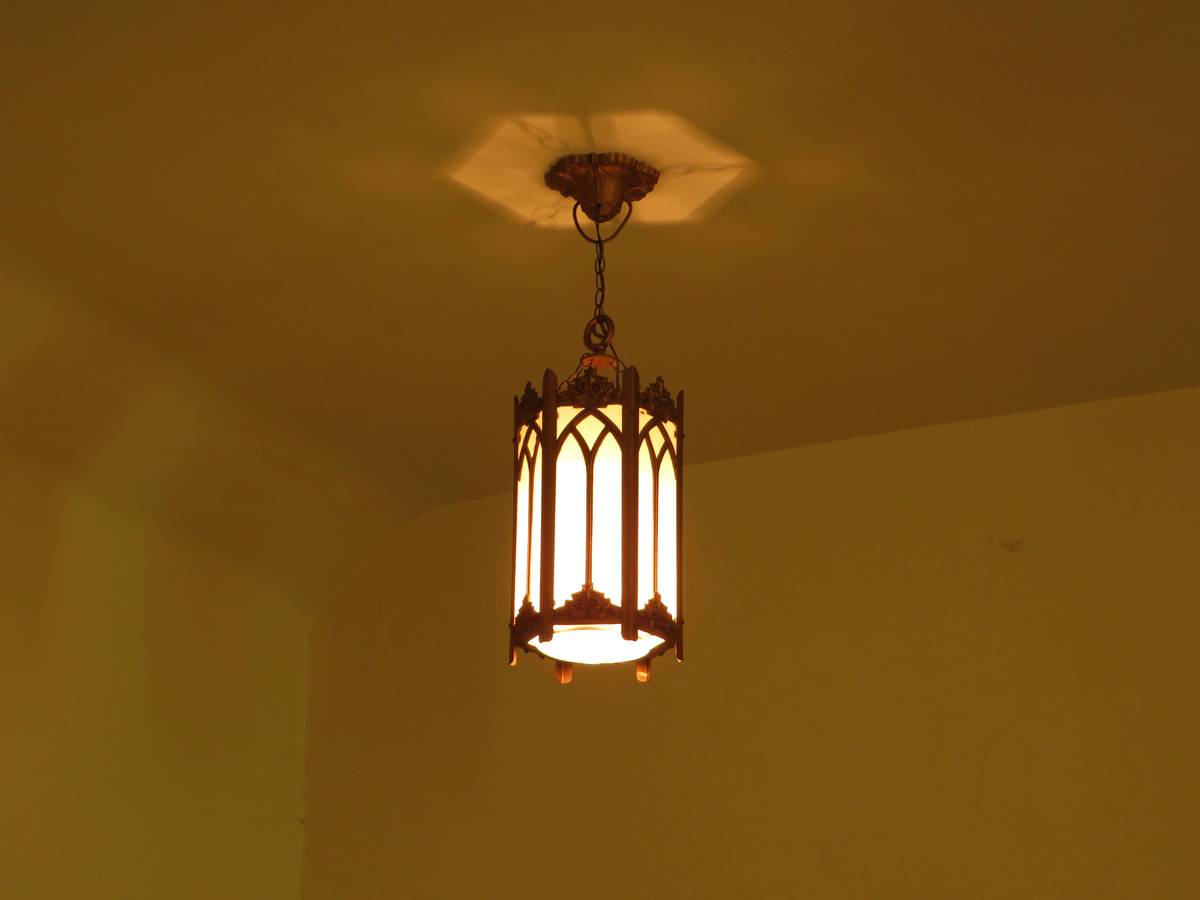
Standard rule: mount at eye level (60–66 inches). Wrong for mission. These fixtures belong where shadows meet structure. Try aligning the bottom of the sconce with the top of your door casing or chair rail. Creates visual continuity. Anchors the light to architecture—not floating in limbo.
Bulb Temperature Matters More Than Brightness
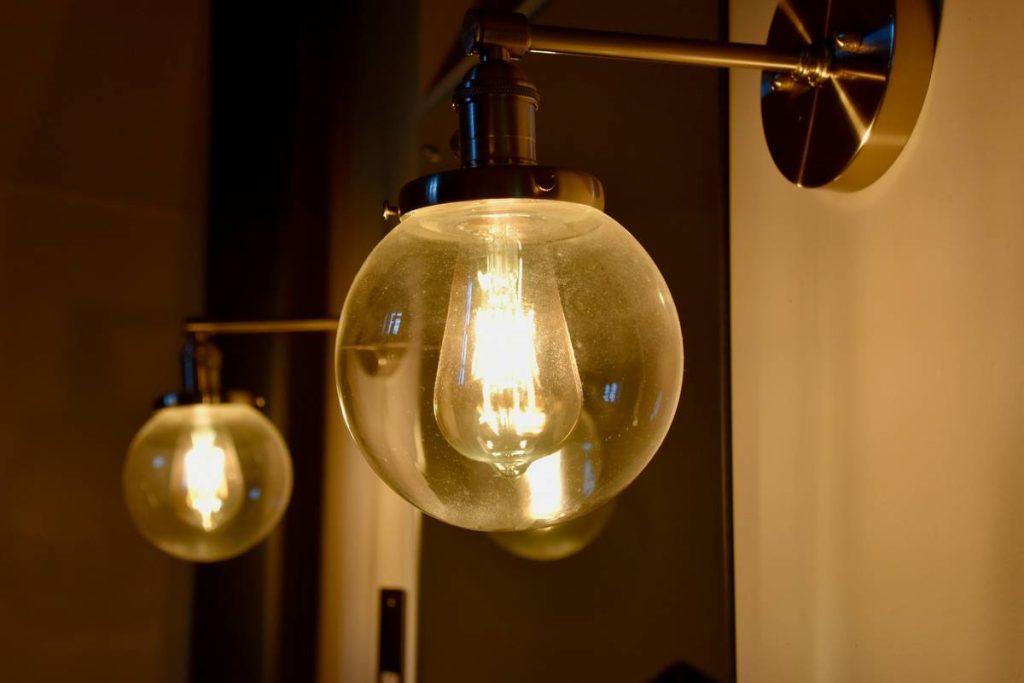
Go 2700K or bust. Anything cooler murders the amber glow of quarter-sawn oak. And skip omnidirectional LEDs. Use filament-style Edison bulbs—they cast upward and downward simultaneously, mimicking candlelight through mica or art glass shades common in true mission pieces.
Ditch the Switch, Embrace Scene Control
No dimmer? You’re wasting 70% of your sconce’s potential. But don’t stop there. Hardwire your sconce into a smart scene with warm-dim capability. At 8 p.m., it drops to 2200K—like embers. Feels human. Feels right.
| Installation Factor | Amateur Move | Pro Correction |
|---|---|---|
| Mounting Height | Dead center on empty wall | Aligned with architectural elements (e.g., door trim, wainscoting cap) |
| Light Source | 5000K LED bulb | 2700K–2200K dimmable Edison filament |
| Control Method | Standard wall switch | Smart dimmer with warm-dim profile |
| Fixture Scale | Chosen by room size alone | Proportional to adjacent millwork (e.g., matches width of door frame) |
The Industry Secret: Mission Sconces Should Cast Shadow—Not Erase It
Here’s what lighting reps won’t tell you: perfect illumination is the enemy of mission design. The whole point of these fixtures is to sculpt space with light *and* shadow. Authentic mission interiors from the early 1900s used low-output gas lamps—flickering, uneven, full of depth. Modern installs often over-light to “brighten dark rooms.” Tragic.
Instead, lean into contrast. Place your mission lighting fixtures wall sconce where its uplight grazes textured plaster or highlights grain in wood beams. Downlight should pool gently on surfaces—never flood. The math is simple: if you can read fine print under it, it’s too bright.
Frequently Asked Questions
Can I use LED bulbs in a vintage-style mission sconce?
Yes—but only warm-dimmable filament LEDs (2700K or lower). Avoid COB or panel LEDs; they flatten dimension.
Where’s the best spot for a mission wall sconce in a hallway?
Flank doorways or windows. Never center between openings. Align with vertical elements to reinforce rhythm.
Are mission sconces only for Craftsman homes?
No. Their geometric honesty works in modern farmhouse, minimalist lofts, even industrial spaces—if paired with honest materials like steel, oak, or stone.