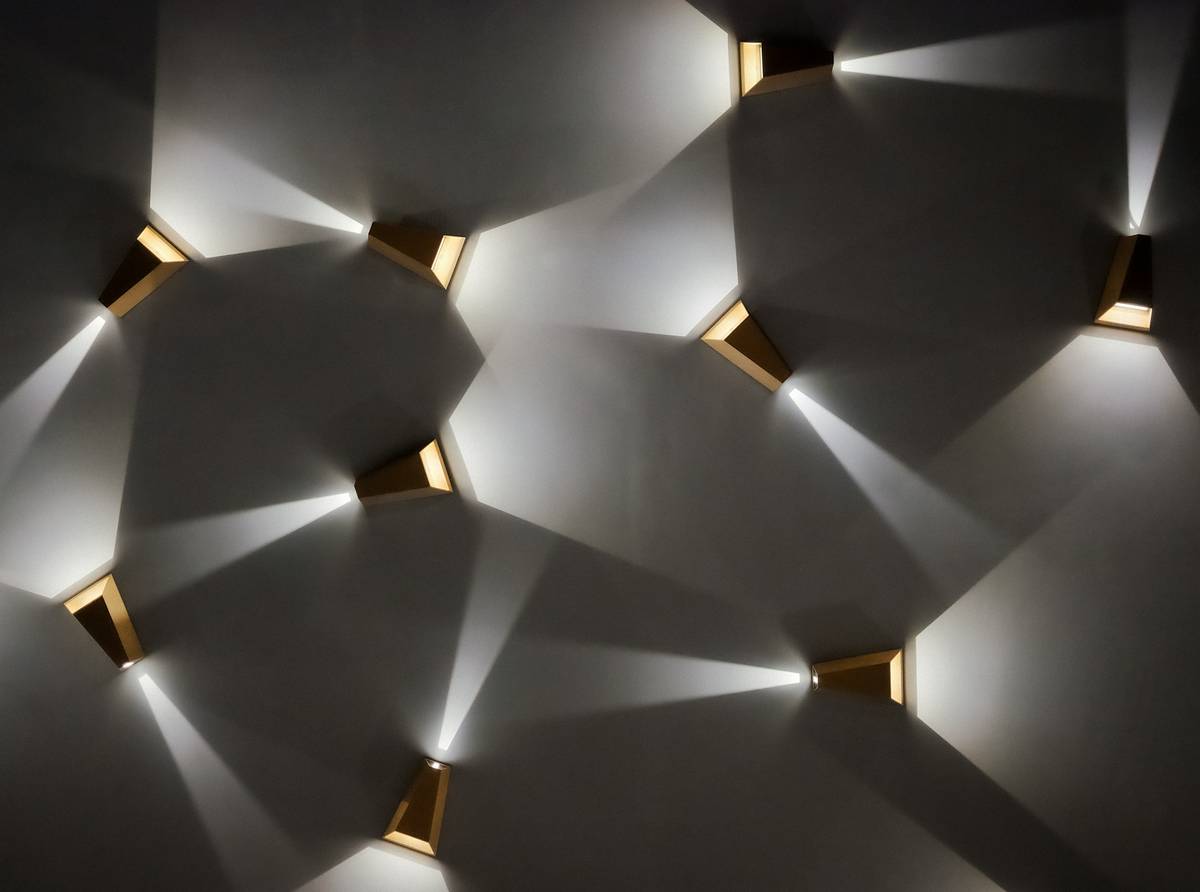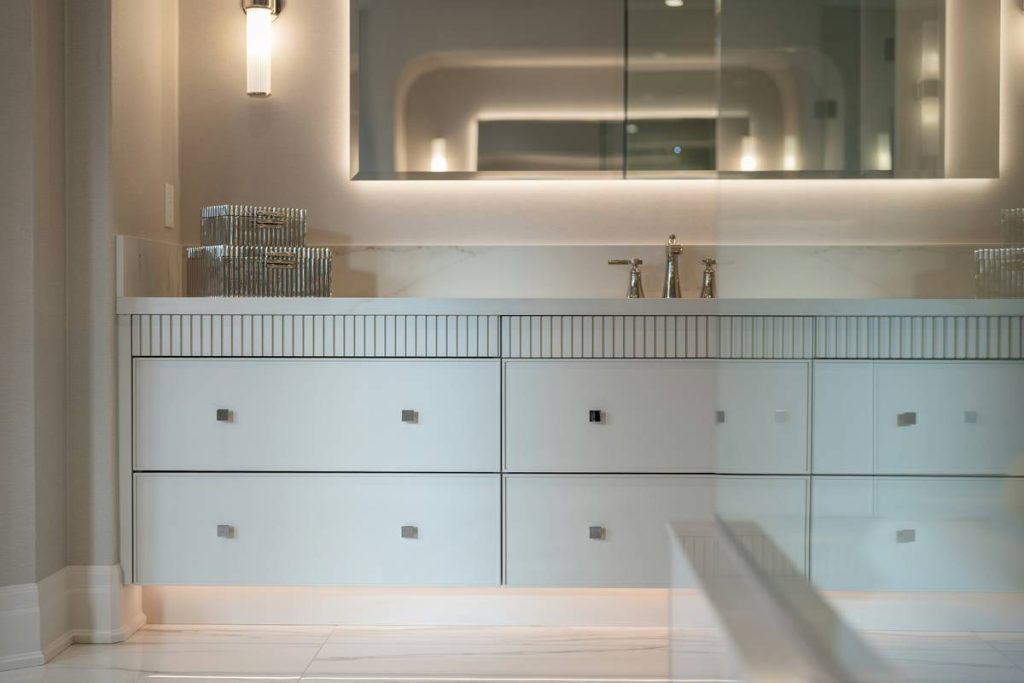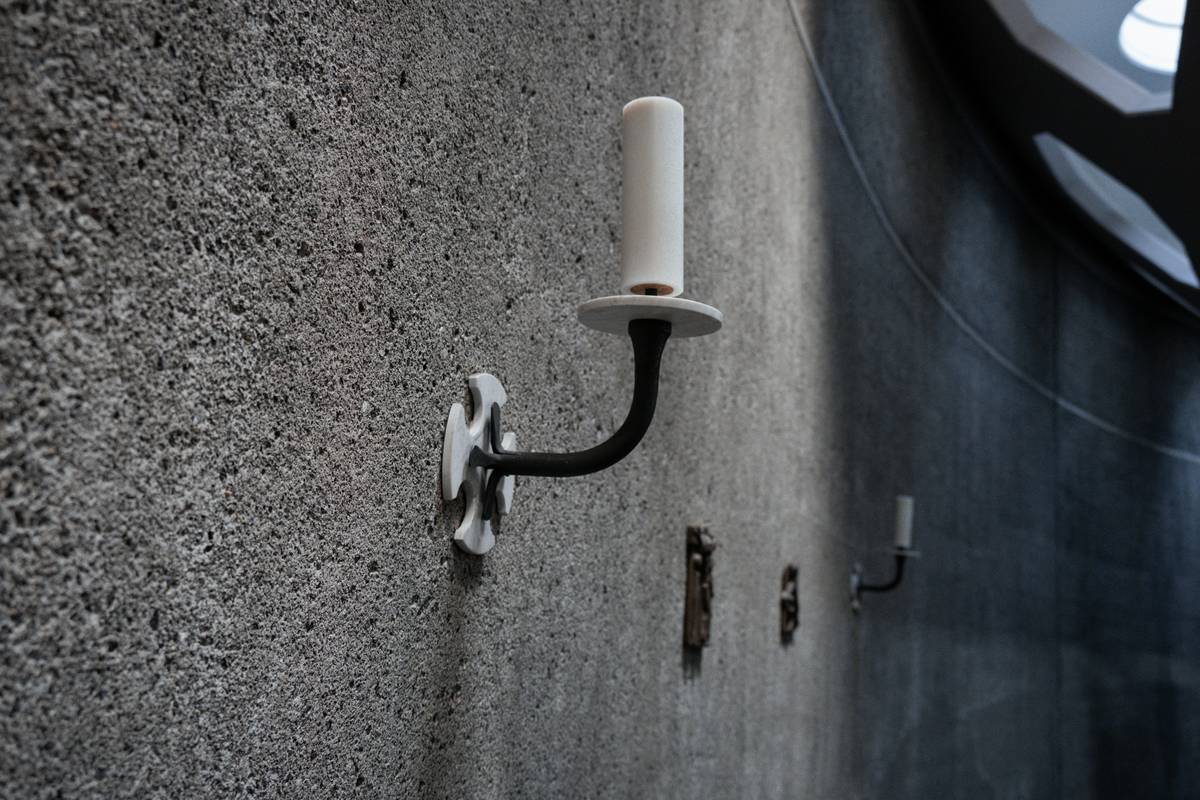
Dark, narrow hallways drain energy—not just from your mood, but from your home’s perceived value. Most homeowners slap on a ceiling fixture and call it a night. Big mistake. Harsh overheads flatten depth and kill ambiance. The fix? hall sconce lighting fixtures—strategically placed, elegantly simple wall-mounted lights that transform sterile corridors into curated experiences.
The Core Problem: Why Overhead Lights Fail in Hallways
Hallways aren’t rooms—they’re transitions. Yet most lighting treats them like afterthoughts. Recessed cans create pools of glare with deep shadows between. Flush mounts cast light downward only, leaving walls cold and featureless. And forget about scale: too many fixtures crowd cramped spaces; too few leave you squinting past family photos.
Worse? Poor lighting distorts color perception. That warm greige paint you loved in daylight? Under 4000K LEDs, it looks like hospital beige. You’re not just losing aesthetics—you’re losing emotional resonance.
How to Install Hall Sconce Lighting Fixtures Like a Pro
Forget “symmetry at all costs.” Real elegance comes from rhythm, not rigidity. Here’s how to get it right:
Step 1: Determine Your Mounting Height
60–66 inches from the floor is standard—but adjust for eye level. If your hallway has 9-foot ceilings or art above waist height, push fixtures higher. You want light grazing the wall, not shining directly into eyes.
Step 2: Choose the Right Beam Spread
Opt for sconces with 30–45 degree beam angles. Wider floods lose focus; tighter spots create harsh cones. Wall-washers? Ideal. They soften textures and add dimension without hotspots.
Step 3: Layer With Purpose
Don’t rely on sconces alone if your hall exceeds 12 feet. Pair them with discreet linear cove lighting or a single pendant at the midpoint—but keep sconces as the visual anchor.
| Installation Approach | Cost Range (Per Fixture) | Ideal For | Mistake to Avoid |
|---|---|---|---|
| Hardwired Sconces | $120–$350 + $150 electrician fee | Permanent elegance, seamless look | Skipping junction box planning during drywall |
| Plug-In Sconces | $75–$200 | Renter-friendly, DIY upgrades | Letting cords dangle visibly—use cord covers painted to match trim |
| Battery-Powered LED Sconces | $40–$120 | Temporary staging, low-traffic zones | Using in high-use areas—battery life tanks fast |
The Industry Secret: Sconces Should Disappear—Not Stand Out
Here’s what elite interior architects won’t advertise: the best hall sconce lighting fixtures are the ones you barely notice. Their job isn’t to draw attention to themselves—it’s to make everything else look better. Think of them as silent curators.
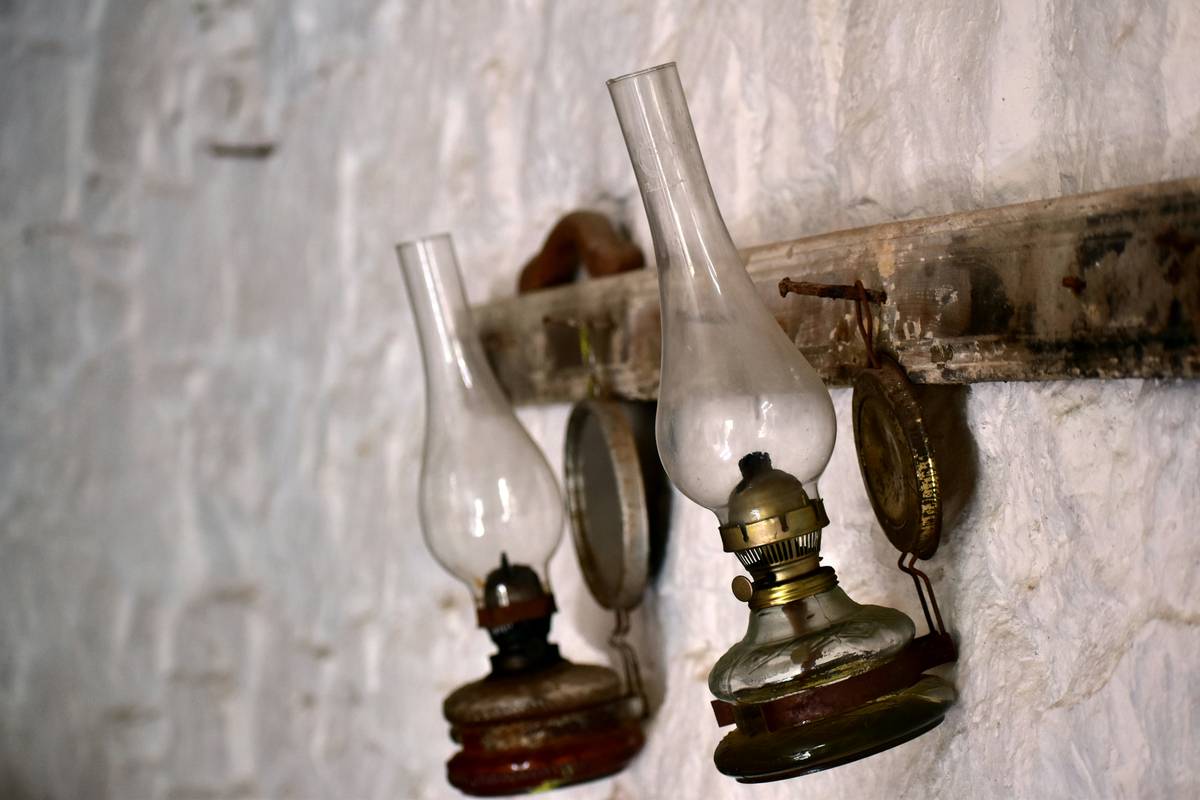
We once re-lit a historic Brooklyn brownstone’s entry hall using antique brass sconces with frosted opal glass. Guests raved about the “glow” of the original millwork—not the fixtures. That’s the win. The moment your lighting becomes the topic, you’ve failed. Light should reveal, not perform.
And—counterintuitively—match your sconce finish to door hardware, not light switches. It creates subconscious cohesion. Brushed nickel sconces beside matte black levers? Visual noise. Unified finishes = calm space.
Frequently Asked Questions
Can I install hall sconce lighting fixtures myself?
Plug-in models? Absolutely—no wiring needed. Hardwired? Only if you’re licensed. Most homes lack pre-wired junction boxes in hallways. Hire an electrician unless you’re experienced.
How many sconces do I need for a 20-foot hallway?
Three. Space them evenly—roughly every 6–7 feet—but shift slightly toward artwork or architectural features. Avoid rigid centering that ignores human sightlines.
Are LED bulbs okay for sconces in narrow halls?
Yes—but choose 2700K–3000K with >90 CRI. Cheap LEDs flicker or cast cool tones that amplify sterility. Dimmable, high-CRI LEDs mimic incandescent warmth without the heat or cost.