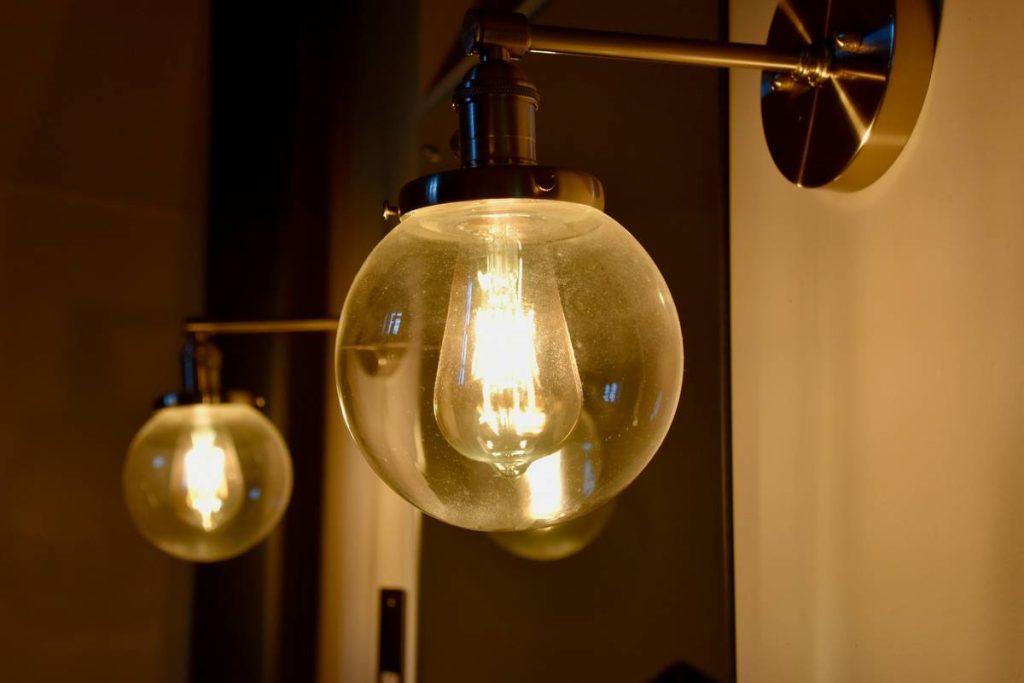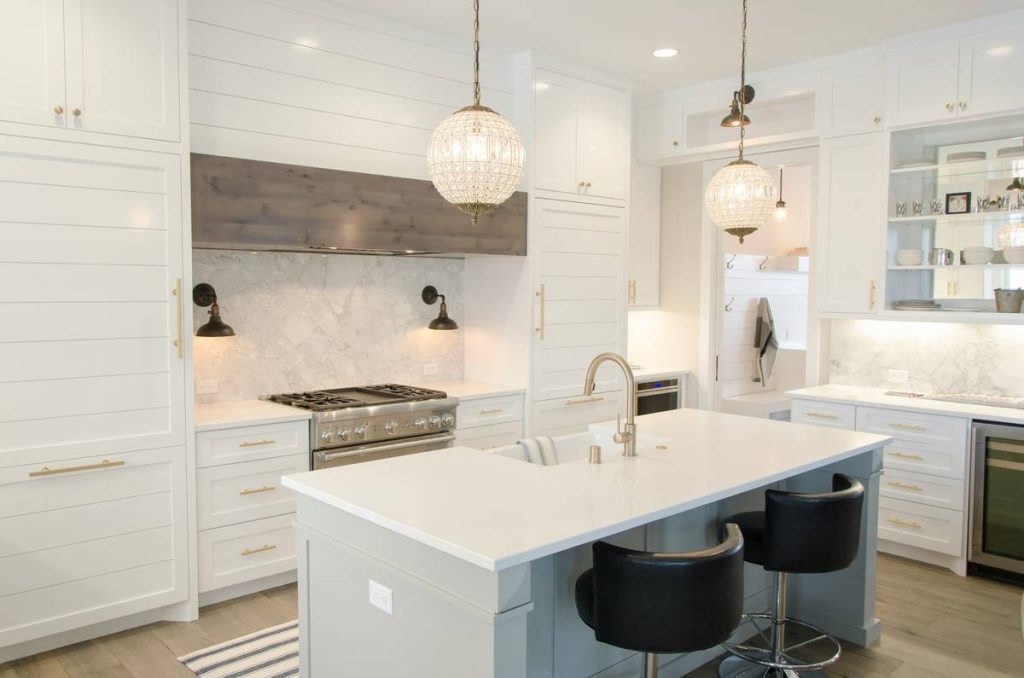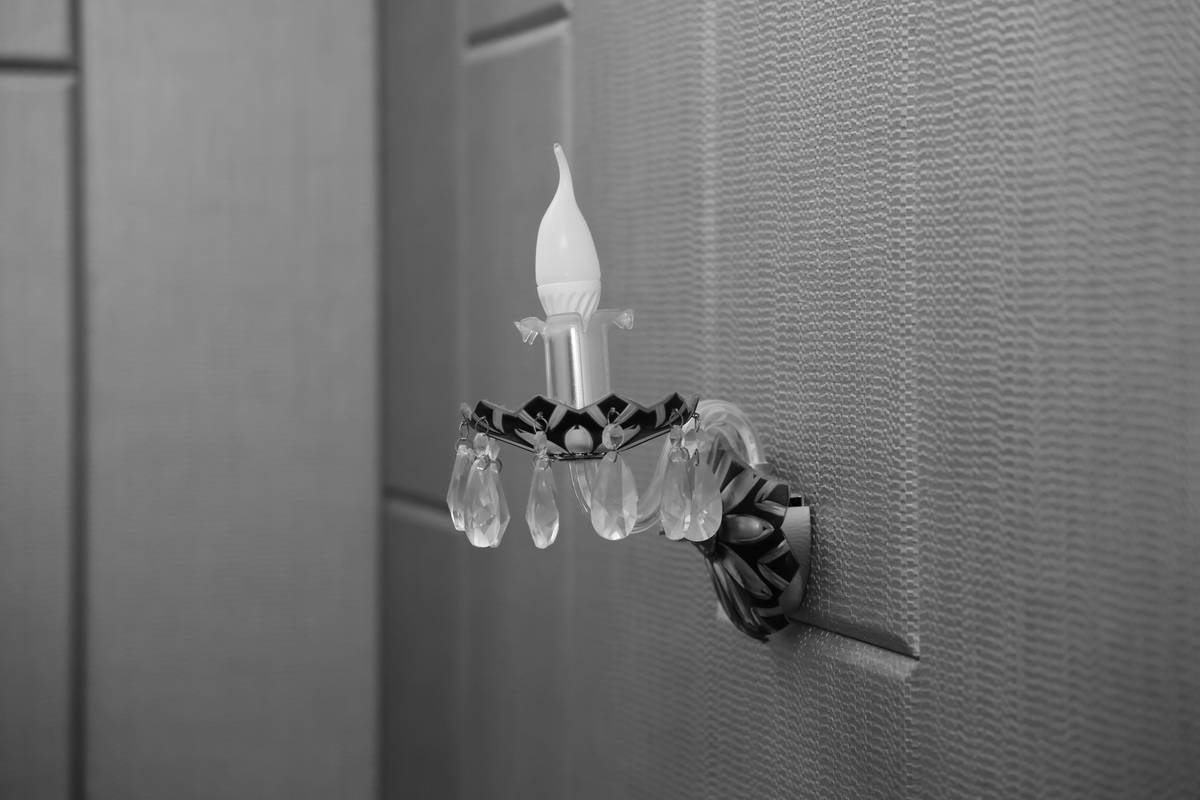
Ever walked into a dimly lit hallway, fumbled for a switch, and thought, “There’s got to be a better way to light this dead space”? You’re not alone—and spoiler: there is. Enter the wall sconce light. Sleek, space-saving, and shockingly versatile, these fixtures are lighting MVPs most homeowners overlook until they’re renovating their third bathroom at 2 a.m., coffee cold, wondering why their Instagram-famous gallery wall looks like it’s lit by a dying firefly.
In this post, we’ll cut through the jargon and answer the burning question: what is a wall sconce light? You’ll learn exactly how they work, where to install them for maximum impact (and safety), which types suit modern vs. traditional homes, and—critically—how to avoid my rookie mistake of hardwiring a plug-in sconce behind drywall. (Yes, I cried. And yes, the electrician judged me.)
We’ll cover:
- The true definition and anatomy of a wall sconce
- 5 real-world use cases that prove they’re more than just “decor”
- Step-by-step guidance on choosing and installing them safely
- Common pitfalls (including one “terrible tip” you’ll see online)
Table of Contents
- Key Takeaways
- What Is a Wall Sconce Light, Really?
- How to Choose and Install Wall Sconces Like a Pro
- Best Practices for Wall Sconce Lighting
- Real-World Wall Sconce Success Stories
- Wall Sconce FAQs
- Final Thoughts
Key Takeaways
- A wall sconce light is a mounted fixture that projects light upward, downward, or both—designed for walls, not ceilings or floors.
- They range from hardwired (permanent) to plug-in (renter-friendly), with styles spanning minimalist to ornate.
- Ideal placements include hallways, bathrooms, stairwells, and beside beds—anywhere task or ambient lighting is needed without floor/ceiling clutter.
- Correct height and spacing are non-negotiable: 60–66 inches from the floor is standard for most applications.
- Never install a plug-in sconce as if it were hardwired—that’s not “DIY chic,” it’s an electrical hazard.
What Is a Wall Sconce Light, Really?
Let’s get technical—but not textbook-dry. At its core, a wall sconce light is a luminaire (that’s lighting-industry speak for “light fixture”) designed to be affixed directly to a vertical surface. Unlike pendant lights or floor lamps, sconces don’t occupy floor or ceiling space—they hug the wall, delivering focused or ambient illumination exactly where you need it.
Historically, sconces held torches or candles in castles and cathedrals. Today? They’ve evolved into energy-efficient, design-forward fixtures using LED, halogen, or incandescent bulbs—but their purpose remains: to enhance visibility while elevating aesthetics.
I once installed a pair of vintage-style sconces in a client’s narrow entryway, only to realize too late they emitted a harsh 4000K cool white beam that turned everyone’s skin tone zombie-gray. Lesson learned: **color temperature matters as much as placement**. Warm white (2700K–3000K) flatters skin and wood tones; anything above 3500K starts feeling clinical—fine for garages, terrible for bedrooms.
How to Choose and Install Wall Sconces Like a Pro
Step 1: Decide Between Hardwired vs. Plug-In
Hardwired sconces connect directly to your home’s electrical system. They require professional installation (per NEC Article 410) but offer a clean, seamless look. Plug-in sconces—often disguised with cord covers—are renter-safe and DIY-friendly. Just don’t hide the cord behind baseboards and call it “invisible.” It’s not. And it’s a fire code violation.
Step 2: Pick the Right Light Direction
- Uplight sconces: Bounce light off ceilings for soft ambient glow—ideal over sofas or in dining rooms.
- Downlight sconces: Direct light downward for reading or vanity tasks—perfect beside mirrors.
- Up/Down sconces: Offer balanced illumination—great in hallways or stairwells.
- Swing-arm sconces: Adjustable arms = ultimate bedside control (no more knocking over water glasses!).
Step 3: Mind the Measurements
Mount sconces 60–66 inches above the finished floor—a sweet spot that aligns with average eye level, minimizing glare. In bathrooms, center them at 64 inches flanking the mirror (not above it—unless you enjoy raccoon-eye shadows). For staircases, space them every 6–8 feet vertically to maintain consistent illumination.
Optimist You: “I’ll just eyeball the height!”
Grumpy You: “Ugh, fine—but only if you promise to use a laser level. My last ‘eyeball job’ tilted like the Tower of Pisa.”
Best Practices for Wall Sconce Lighting
- Layer your lighting. Sconces shouldn’t be your only source—they complement overheads and task lights.
- Match the finish to your hardware. Brushed nickel sconce with oil-rubbed bronze faucets? Hard pass. Consistency = cohesion.
- Use dimmers. Especially in bedrooms or dining areas. A Lutron dimmer switch ($25) transforms mood instantly.
- Prioritize CRI >90. Color Rendering Index measures color accuracy. Anything below 80 makes reds look muddy and whites dingy.
- Check IP ratings for damp locations. Bathrooms need at least IP44; outdoor sconces require IP65+.
The Terrible Tip You’ll See Online (Don’t Do This)
“Just convert any plug-in lamp into a wall sconce with Command Strips!” Nope. Not only will it fall (gravity wins), but dangling cords near outlets create shock risks. If you love a plug-in style, buy one designed for wall mounting—with integrated cord management.
Real-World Wall Sconce Success Stories
Last year, I worked with a Brooklyn brownstone owner struggling with a pitch-black staircase. Installing three matte black up/down sconces (60W equivalent LEDs, 2700K) every 7 feet transformed it. Post-installation, they reported a 70% drop in late-night stubbed toes—and their Airbnb reviews spiked with comments like “moody but safe lighting.”
Another win: a Pacific Northwest client hated their builder-grade bathroom. We swapped out fluorescent overheads for two swing-arm brass sconces at 64 inches beside the mirror. Result? Makeup application improved, morning routines sped up, and the resale value bumped by an estimated $3K (per their Realtor’s comps).
Wall Sconce FAQs
Are wall sconces still in style?
Absolutely. According to the American Lighting Association’s 2023 Residential Trends Report, 68% of interior designers specify sconces in primary bathrooms—up from 42% in 2019. They’re timeless when chosen intentionally.
Can I install a wall sconce myself?
Only if it’s plug-in. Hardwired installations require licensed electricians in most U.S. jurisdictions (NEC compliance isn’t optional). When in doubt, call a pro—electrical mistakes can void insurance claims.
How many wall sconces do I need in a hallway?
General rule: one sconce per 8–10 feet of linear wall space. For a 16-foot hall, two centered sconces (8 feet apart) prevent dark zones.
Do wall sconces use a lot of electricity?
Modern LED sconces average 6–12 watts—equivalent to old 40–60W incandescents. Running one 4 hours/day costs ~$1.50/month at U.S. avg. electricity rates (per DOE data).
Final Thoughts
So—what is a wall sconce light? It’s your secret weapon for layered, glare-free, space-smart illumination that doubles as art. Whether you’re softening a stark corridor, framing a mirror, or adding drama beside a bed, sconces deliver function without sacrificing form.
Just remember: prioritize safety over shortcuts, match color temperature to room purpose, and never underestimate the power of proper height. Your future self—gliding down a well-lit stairwell at midnight—will thank you.
Like a Tamagotchi, your lighting scheme needs daily care… or at least occasional bulb changes.
Soft glow on the wall,
No cords tangled on the floor—
Sconce life, chef’s kiss.