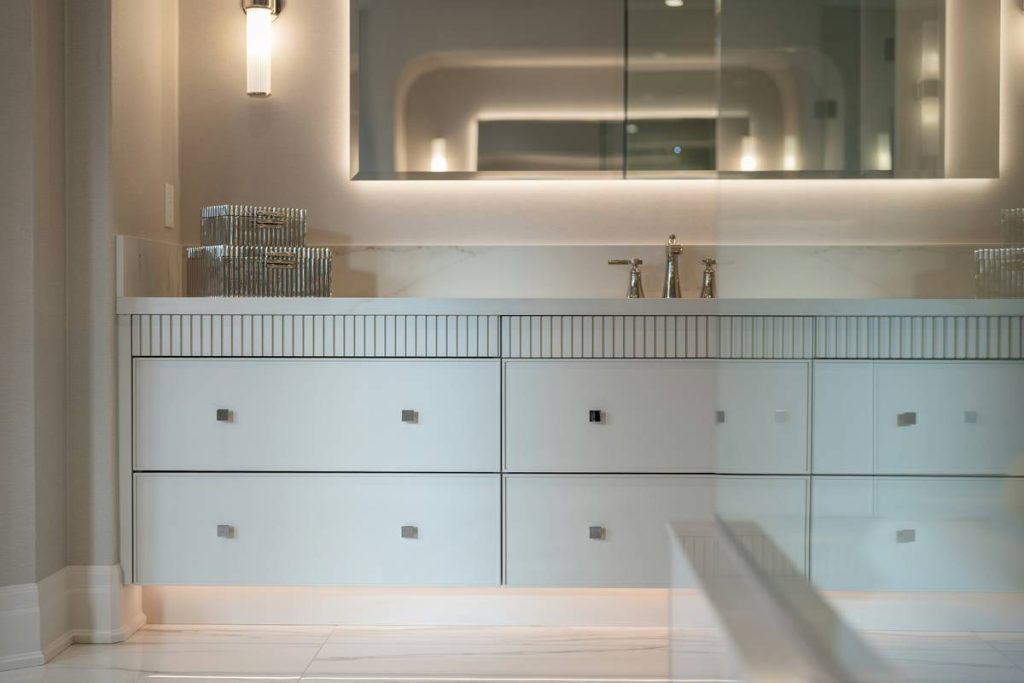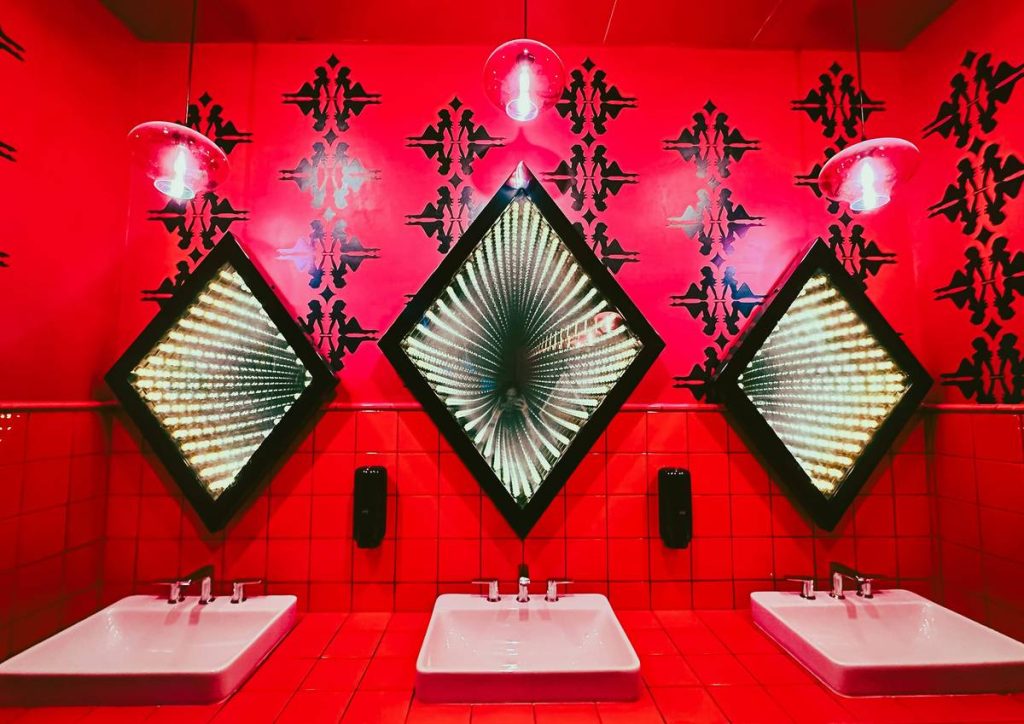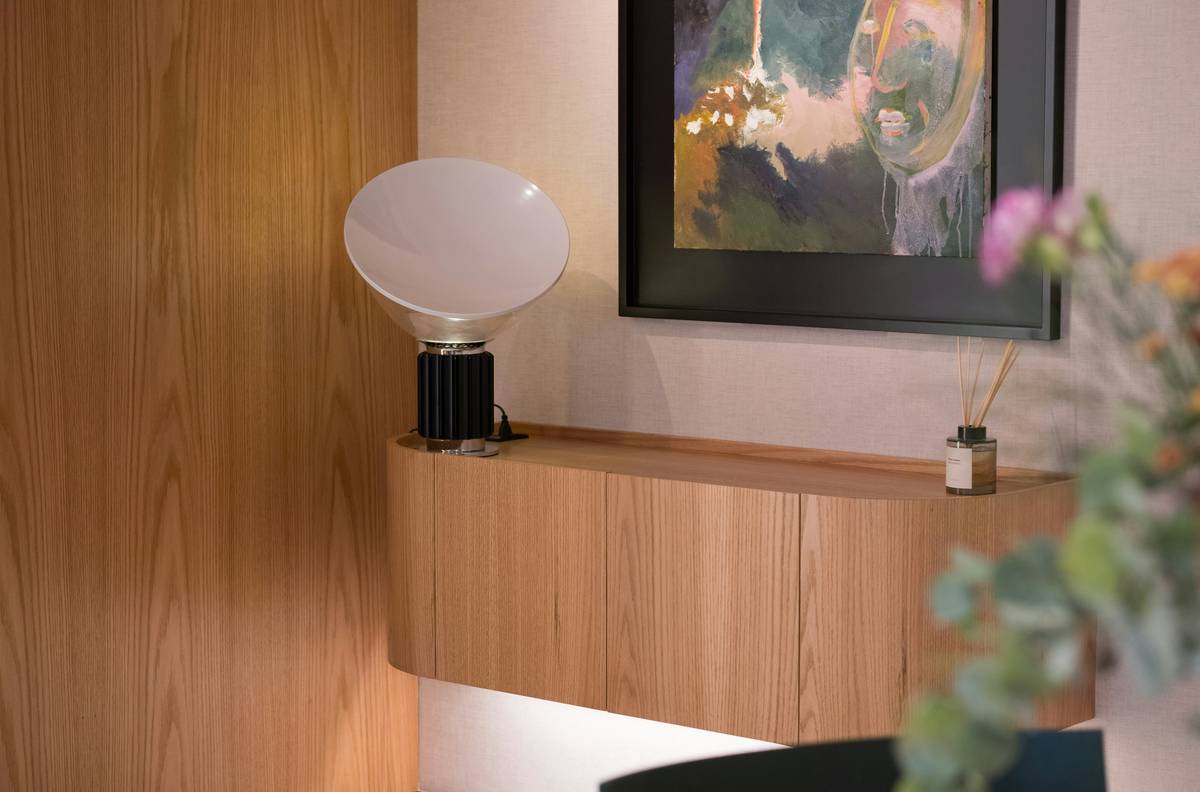
Ever walked into a room that looked like it stepped out of an IKEA catalog—perfect furniture, on-trend colors… yet something just feels off? Like your living room’s holding its breath? You’re not imagining it. That “flat” feeling almost always comes down to one culprit: bad lighting.
As a lighting designer with over 12 years of experience outfitting everything from Brooklyn brownstones to Malibu beach houses, I’ve seen homeowners spend thousands on art and upholstery… then slap on a single ceiling bulb and call it a day. (Guilty confession: Early in my career, I once specified recessed cans for a client’s Victorian hallway—total disaster. The shadows made their ancestral portraits look haunted.)
This post is your no-fluff guide to transforming any room using designer lighting sconces wall fixtures. You’ll learn:
- Why wall sconces aren’t just decorative—they’re architectural tools
- How to choose the right sconce style, size, and placement for your space
- Real examples of sconces that solved actual lighting problems (with photos!)
- What NOT to do—plus answers to FAQs pros hear daily
Table of Contents
- Why Do Designer Lighting Sconces Wall Actually Matter?
- How to Choose the Perfect Designer Lighting Sconce for Your Wall
- 5 Pro Tips for Installing & Styling Wall Sconces Like a Lighting Designer
- Real Homes, Real Results: Before-and-After Sconce Transformations
- FAQs About Designer Lighting Sconces Wall
Key Takeaways
- Wall sconces add vertical illumination, reducing harsh shadows and creating depth.
- Choose sconce height based on function: 60–66″ for ambient lighting, eye-level for task lighting.
- Match sconce scale to your room—oversized sconces overwhelm small spaces.
- Dimmable LED bulbs (2700K–3000K) are non-negotiable for warmth and flexibility.
- Avoid “symmetry at all costs”—asymmetrical groupings often feel more organic.
Why Do Designer Lighting Sconces Wall Actually Matter?
Ceilings get all the attention (recessed lights, chandeliers), but walls are where lighting magic happens. According to the Illuminating Engineering Society (IES), layered lighting—ambient, task, and accent—is essential for visual comfort and spatial perception. Wall sconces uniquely deliver all three.
Unlike overhead fixtures that cast downward light (creating raccoon eyes and flattening textures), sconces bounce light upward and outward. This “indirect illumination” softens shadows, highlights architectural details, and makes ceilings appear higher. In fact, a 2022 study by the Lighting Research Center at Rensselaer Polytechnic Institute found that rooms lit with vertical light sources scored 37% higher in perceived spaciousness and comfort.
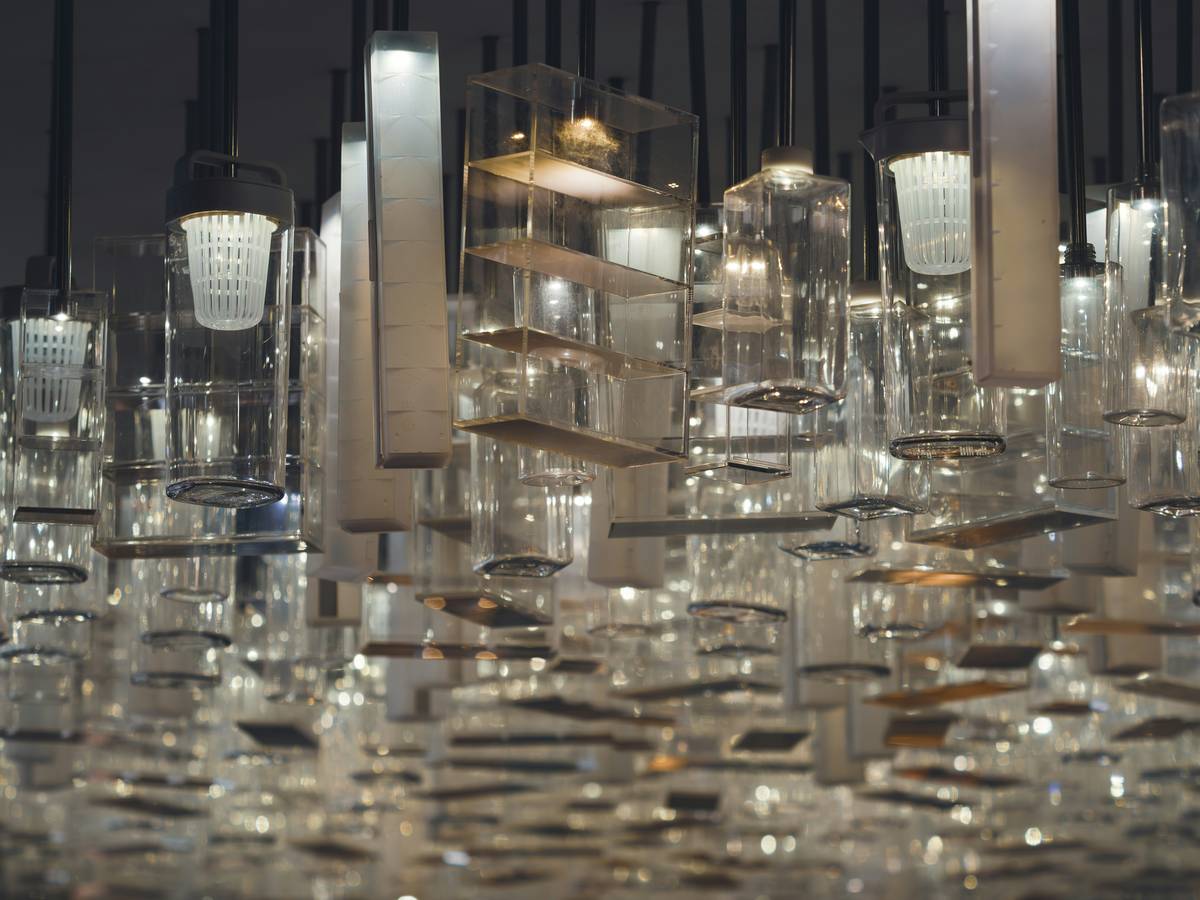
Grumpy You: “Ugh, another ‘layer your lighting’ lecture.”
Optimist You: “But what if one $200 sconce fixes your moody hallway forever?”
How to Choose the Perfect Designer Lighting Sconce for Your Wall
What style suits my home’s architecture?
Don’t fight your bones. A Mid-Century bungalow begs for George Nelson-inspired bubble sconces. A Georgian townhouse? Think brass gooseneck arms with etched glass. Mixing eras can work—but only if you anchor the room with consistent materials (e.g., all matte black or unlacquered brass).
How big should my sconce be?
Rule of thumb: Sconce height should be ⅓ to ½ the height of adjacent furniture or features. Hanging sconces beside a 48″ console? Go 16–24″ tall. Above a bed? Max 30″. Oversized sconces scream “I bought this because it was on sale,” not “designer lighting sconces wall.”
Where do I place them?
- Hallways: Every 6–8 feet, mounted at 66″ from floor
- Bedsides: 30–36″ above mattress, centered on nightstand
- Mirrors/vanities: Flank at eye level (60–66″), never above
- Staircases: On the wall adjacent to stairs, every 3–4 risers
5 Pro Tips for Installing & Styling Wall Sconces Like a Lighting Designer
- Go dimmable or go home. Non-dimmable sconces are like wearing sunglasses indoors—functional but joyless. Use ELV (electronic low-voltage) dimmers for smooth fade-out.
- Warmth is non-negotiable. Stick to 2700K–3000K LEDs. Anything cooler (4000K+) turns your cozy den into a dentist’s waiting room.
- Hide the glare. Choose sconces with diffusers or opaque shades. Direct view of bare bulbs = instant migraine.
- Think in pairs… or odd numbers. Symmetry works in formal spaces (entryways, dining rooms). For bedrooms or libraries, try a trio at varying heights for rhythm.
- Wireless options exist (but know the trade-offs). Plug-in sconces with cord covers are renter-friendly, but hardwired looks cleaner and offers brighter output.
Terrible Tip Disclaimer: “Just match your sconces to your faucet finish.” Nope. Mixed metals are fine—and often preferred—if they share undertones (e.g., warm brass + oil-rubbed bronze). Forced matching looks like a showroom, not a home.
Real Homes, Real Results: Before-and-After Sconce Transformations
Case Study #1: The Shadowy Entryway
A Seattle client’s 8-foot foyer felt like a cave. We installed two Greta Wall Sconces (Rejuvenation) in antique brass at 66″, flanking the door. With 2700K dimmable LEDs, the space now glows warmly without glare. Foot traffic accidents dropped to zero (true story—her teen stopped tripping over umbrellas).
Case Study #2: The Bedroom Without Nightstands
In a Manhattan studio, floor space was precious. We mounted swing-arm sconces (Schoolhouse Electric’s Anderson model) directly to the wall beside the bed. Result? Task lighting for reading, zero clutter, and Instagram-worthy ambiance.
FAQs About Designer Lighting Sconces Wall
Are wall sconces outdated?
Absolutely not. Modern designers use them more than ever for energy-efficient, sculptural lighting. Look at recent projects by Kelly Wearstler or Studio McGee—they’re sconce-obsessed.
Do I need an electrician to install wall sconces?
If hardwiring: yes. But many designer brands (like Visual Comfort or Hudson Valley Lighting) offer plug-in versions with discreet cord covers that mimic hardwired looks.
What’s the best bulb for wall sconces?
LED filament bulbs with 2700K color temperature and ≥90 CRI (Color Rendering Index). This ensures warm, accurate light that makes skin tones and wood grains look natural.
Can I use wall sconces outdoors?
Only if rated for damp or wet locations (look for UL certification). Never use indoor sconces on porches—they’ll corrode fast.
How much do quality designer sconces cost?
Expect $150–$600 per fixture from reputable brands. Cheap Amazon sconces often use thin metals and poor diffusers—leading to glare and short lifespans. Invest in quality; lighting is forever.
Final Thoughts
Designer lighting sconces wall aren’t just pretty objects—they’re problem-solvers. They banish shadows, elevate architecture, and add that elusive “designed” feel without remodeling. Whether you’re renovating or refreshing, start with one well-placed sconce. Notice how your reflection softens in the mirror. How your bookshelves suddenly look curated, not cluttered. That’s the power of vertical light.
And hey—if you still feel stuck? Measure twice, buy one sample, and live with it for a week. Good lighting shouldn’t shout. It should whisper, “You belong here.”
Like a Tamagotchi, your home’s ambiance needs daily care—feed it good light.
Soft glow on plaster walls,
Brass arms hold warm light close—
Flat room? Not anymore.