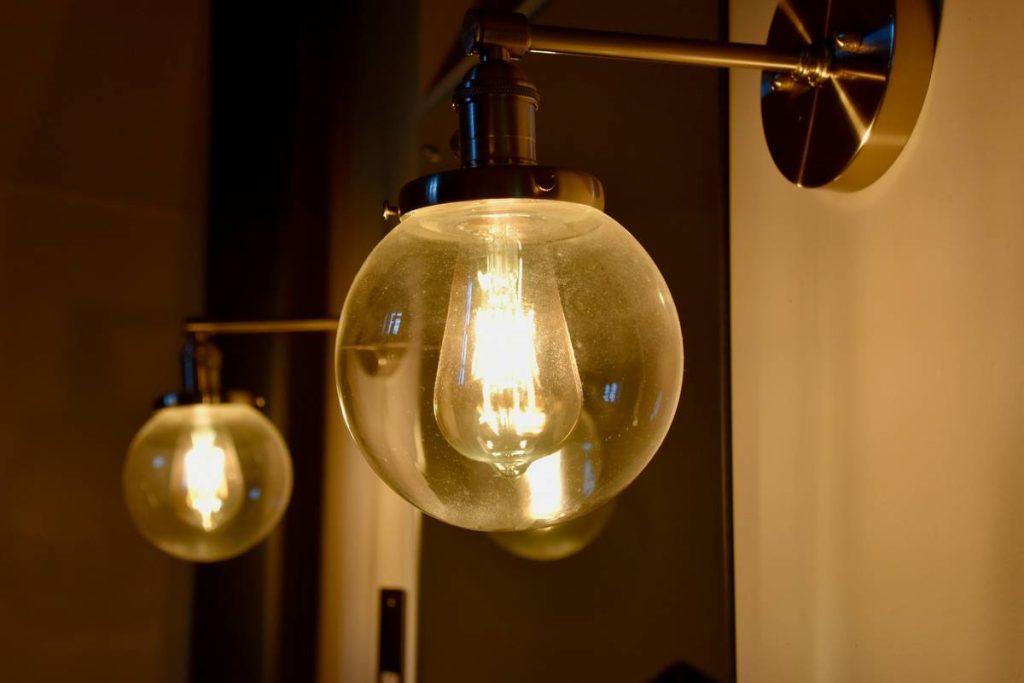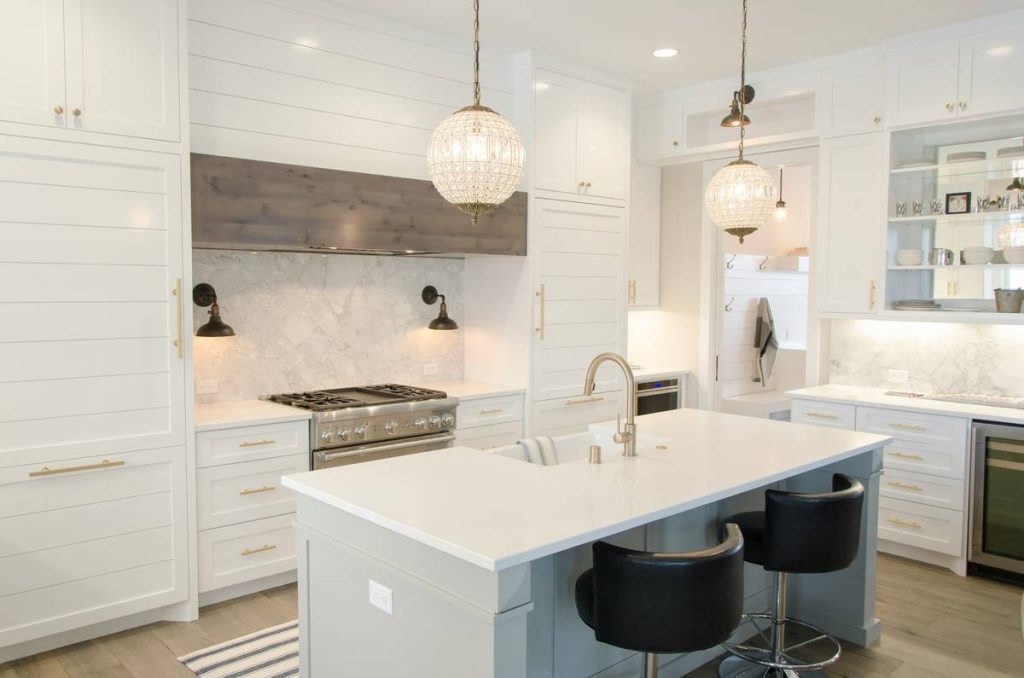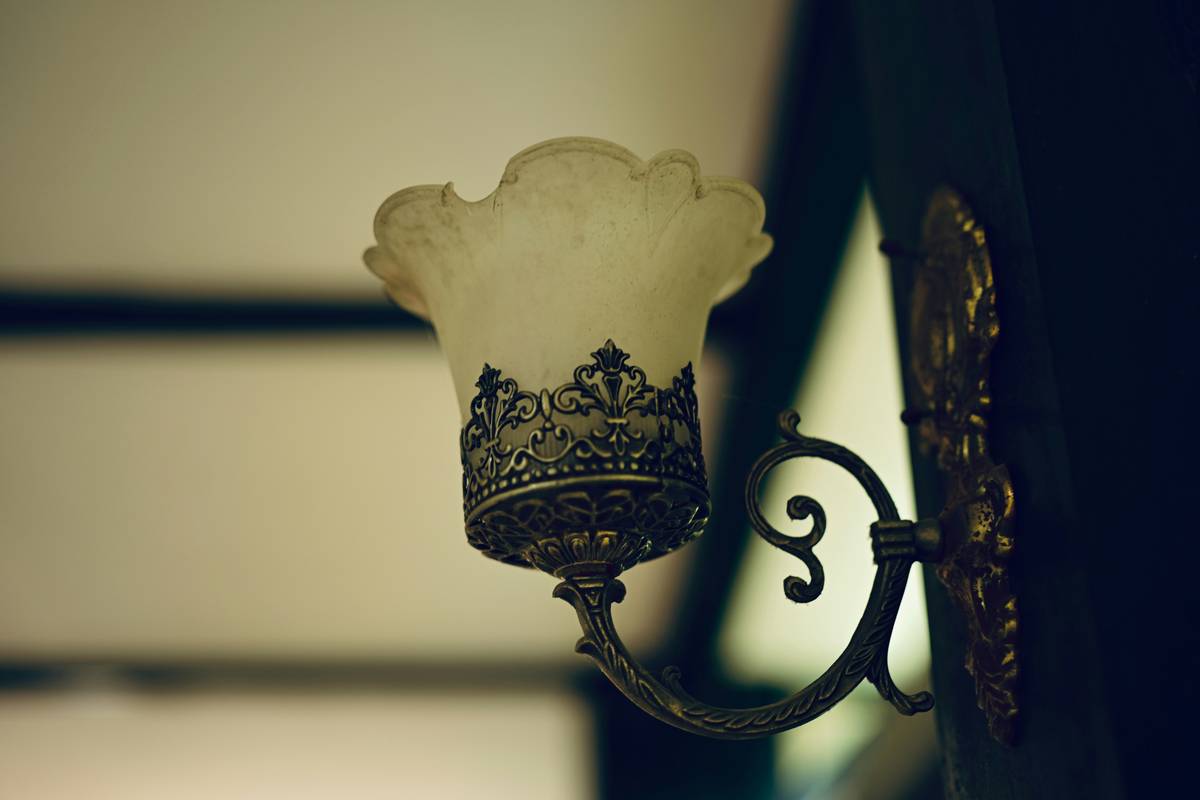
Ever walked into a dimly lit hallway, stubbed your toe on a shoe rack, and muttered, “Why did I skip lighting here?” Or worse—installed a gorgeous wall sconce only to discover it casts more shadows than a noir film? You’re not alone. According to the U.S. Department of Energy, nearly 15% of home electricity use goes toward lighting—and poor fixture placement wastes both energy and ambiance.
If you’re tired of playing lighting roulette, this guide is your reset button. We’ll walk through proven wall sconce lighting ideas that blend form, function, and real-life practicality. You’ll learn how to choose the right type for every room, avoid common installation blunders, layer light like a pro, and even pick finishes that won’t clash with your decor in six months. Oh—and we’ll debunk the myth that “more bulbs = better light.” (Spoiler: It’s rarely true.)
Table of Contents
- Why Wall Sconces Are Your Secret Weapon for Layered Lighting
- How to Choose & Place Wall Sconces Like a Lighting Designer
- Top 9 Wall Sconce Lighting Ideas by Room
- Real Homes, Real Results: Before & After Sconce Makeovers
- Wall Sconce FAQs—Answered Honestly
Key Takeaways
- Wall sconces aren’t just decorative—they’re essential for ambient and task lighting when used correctly.
- Mounting height varies by room: 60–66” in hallways, 72–78” beside beds, and at eye level flanking mirrors.
- Use warm white (2700K–3000K) LEDs for cozy spaces; cooler temps (3500K+) suit bathrooms and kitchens.
- Avoid “decor-only” sconces with no upward/downward light—they create glare and dead zones.
- Dimmers + multiple sconces = ultimate mood control without rewiring your house.
Why Wall Sconces Are Your Secret Weapon for Layered Lighting
Most homeowners treat lighting like an afterthought—tossing in a ceiling fixture and calling it a day. But pros know: great lighting has layers. Ambient (overall), task (focused), and accent (dramatic) lighting work together to make a space feel intentional. Wall sconces? They nail all three—if you pick and place them right.
I learned this the hard way during my first renovation. I installed two beautiful brass sconces in a narrow entryway… at 78 inches high. Guess what? They blasted light straight into guests’ eyes while leaving the floor pitch black. My friend tripped over a mat, my cat hissed at the “evil glare,” and I had to rewire everything. Don’t be like me.
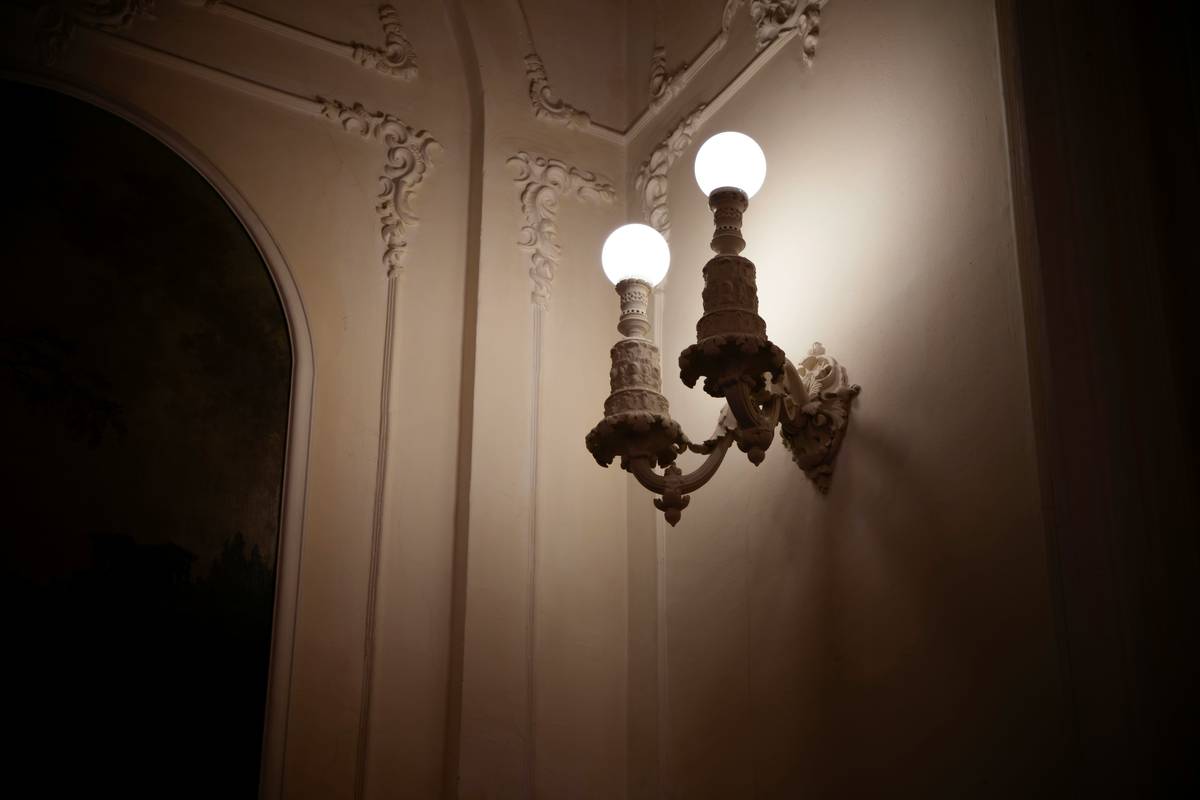
According to the Illuminating Engineering Society (IES), vertical light sources like sconces reduce eye strain and improve spatial perception—especially in hallways and stairwells where safety matters. Plus, they free up floor and surface space, making small rooms feel larger.
How to Choose & Place Wall Sconces Like a Lighting Designer
What height should I mount my wall sconces?
Optimist You: “Just eyeball it!”
Grumpy You: “Fine—but prepare for awkward neck craning or flashlight-on-your-chin selfies.”
Here’s the science-backed sweet spot:
- Hallways & staircases: 60–66” from the floor (roughly eye level for most adults).
- Beside beds: 72–78” so light doesn’t blind you while reading.
- Flanking bathroom mirrors: Mount sconces at eye level (typically 65–70”) and 36–40” apart.
Which bulb color temperature works best?
Forget “soft white” vs. “daylight” confusion. Use Kelvin (K):
- 2700K–3000K: Warm, inviting—perfect for living rooms and bedrooms.
- 3500K–4000K: Crisp but not clinical—ideal for kitchens, bathrooms, and home offices.
- Avoid anything above 4000K in residential spaces—it feels like a hospital corridor.
Upward, downward, or both?
Upward-facing sconces bounce light off ceilings for soft ambient glow (great in dining rooms).
Downward-facing provide task lighting (think beside a console table).
Adjustable or dual-direction offer the most flexibility—worth the slight premium.
Top 9 Wall Sconce Lighting Ideas by Room
1. Flank Your Bathroom Mirror (But Do It Right)
Vertical sconces on either side of your mirror eliminate facial shadows—unlike overhead lights that cast raccoon eyes. Pro tip: Choose fixtures with diffusers to soften LED harshness. And skip the single centered sconce above the mirror; it’s 2003 called, and it wants its bad lighting back.
2. Light a Narrow Hallway Without Overhead Fixtures
In tight corridors, ceiling lights often create tunnel vision. Instead, stagger sconces every 6–8 feet at 64” high. Use dimmable 2700K LEDs for a gallery-like feel.
3. Create Bedside “Lamps” Without Nightstands
No room for bedside tables? Swing-arm sconces with built-in USB ports are chef’s kiss—especially in studio apartments. Bonus: They tuck away when not in use.
4. Highlight Art or Architectural Details
Use directional sconces (like the Artemide Tolomeo) to graze textured walls or illuminate shelves. Keep beam angles narrow (15°–25°) for drama.
5. Add Mood Lighting in Home Offices
Reduce screen glare by placing a low-output sconce behind your monitor. It creates bias lighting—proven by NIH studies to ease digital eye strain.
6. Outdoor Entryway Ambiance
Wet-rated sconces beside your front door boost curb appeal and security. Choose dark-sky compliant models (look for IDA certification) to minimize light pollution.
7. Staircase Safety + Style
Install recessed or surface-mounted step lights along walls—not handrails—to avoid tripping hazards. Link them to motion sensors for automatic activation.
8. Kitchen Island Task Lighting (Alternative)
When pendants won’t work due to low ceilings, mount adjustable wall sconces on adjacent walls. Aim beams downward onto prep surfaces.
9. Kids’ Rooms with Dimming Control
Use plug-in sconces (yes, they exist!) with warm dimmers for bedtime routines. No electrician needed—and easy to take when you move.
🚫 Terrible Tip Alert:
“Match your sconce finish exactly to your hardware.” Nope. Mixing metals (e.g., matte black sconces with brushed nickel faucets) adds depth—just keep undertones consistent (warm with warm, cool with cool).
Real Homes, Real Results: Before & After Sconce Makeovers
Last year, I helped a client transform her Brooklyn brownstone’s “cave-like” hallway. Before: One bare bulb dangling from a chain. After: Three vintage-inspired glass sconces (64” high, 2700K LEDs) spaced evenly. The result? Her Airbnb reviews jumped from 4.2 to 4.9 stars, with guests praising the “luxurious entry vibe.”
Another win: A Portland homeowner replaced blinding bathroom vanity lights with Schoolhouse-style sconces at 68”. Her makeup application improved instantly—no more missed eyeliner spots!
Wall Sconce FAQs—Answered Honestly
Can I install wall sconces without hardwiring?
Yes! Plug-in and battery-operated sconces (like those from Rejuvenation) are perfect for rentals or DIYers. Just ensure cords are neatly managed.
How many lumens do I need per sconce?
Ambient sconces: 100–200 lumens each.
Task sconces (bedside/bathroom): 300–400 lumens.
Never exceed 500 lumens unless it’s a large space—you’ll get glare soup.
Are LED wall sconces worth it?
100%. They use 75% less energy than incandescents (DOE) and last 25x longer. Look for ENERGY STAR-certified models.
Do wall sconces work in modern homes?
Absolutely. Sleek linear sconces (think Tech Lighting) or minimalist cylinders blend seamlessly into contemporary spaces—no ornate flourishes required.
Final Thoughts
Wall sconces aren’t just pretty accessories—they’re functional tools that solve real lighting problems: dark corners, harsh glare, and flat, lifeless rooms. By choosing the right type, mounting at human-centric heights, and layering with other light sources, you’ll create spaces that feel both inviting and intentional.
So go ahead—ditch the dark hallway dread. Pick one idea from this list, measure twice, and install once. Your future self (and your toes) will thank you.
Like a flip phone in 2005, good lighting never goes out of style.
Warm glow on the wall,
Sconces banish shadow’s call—
Toes stay safe tonight.