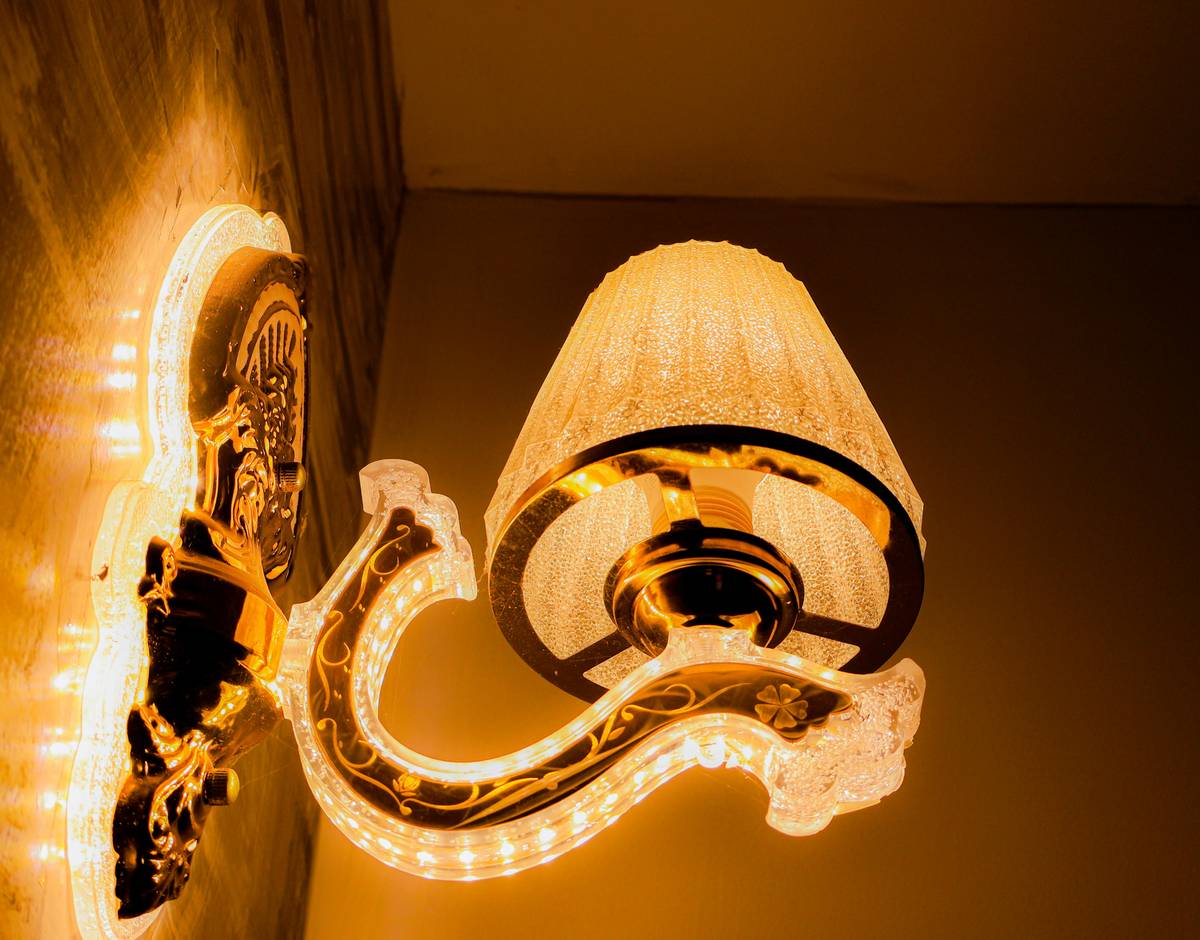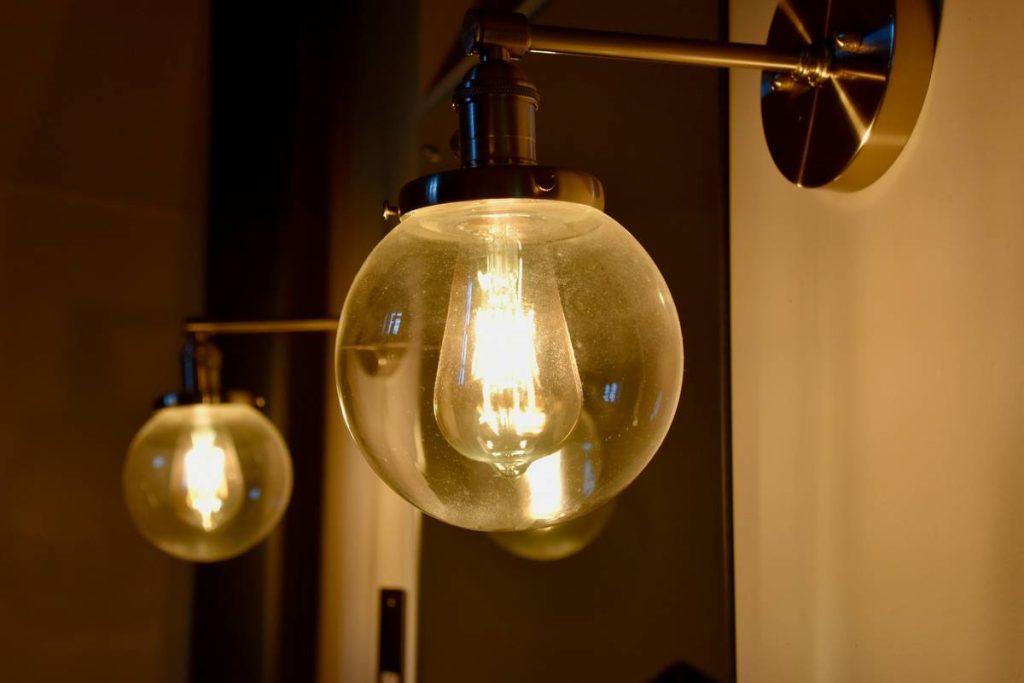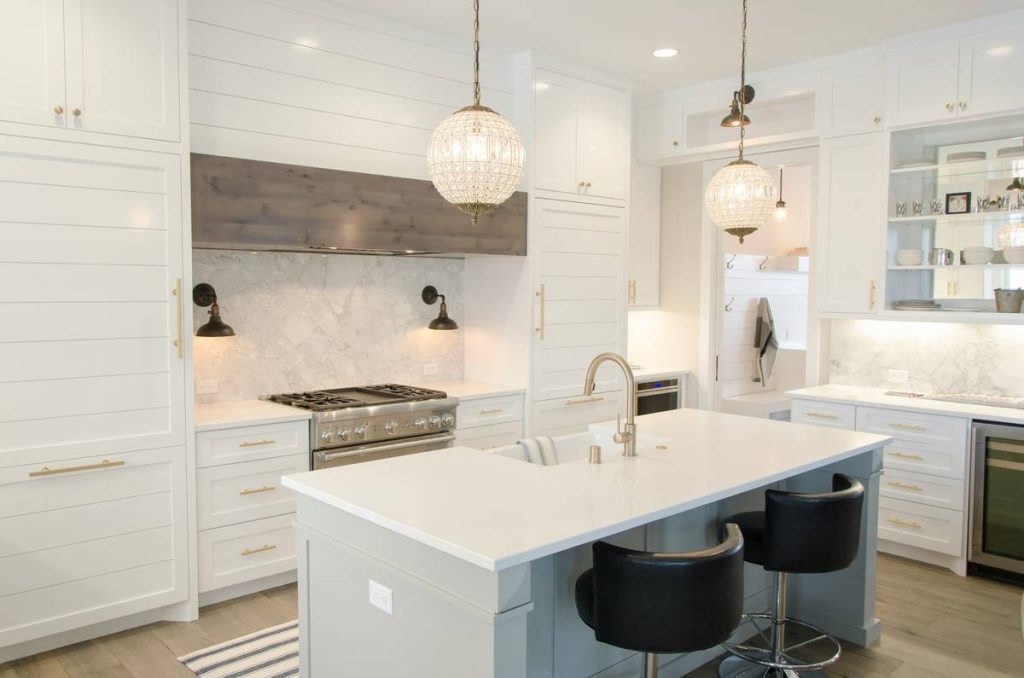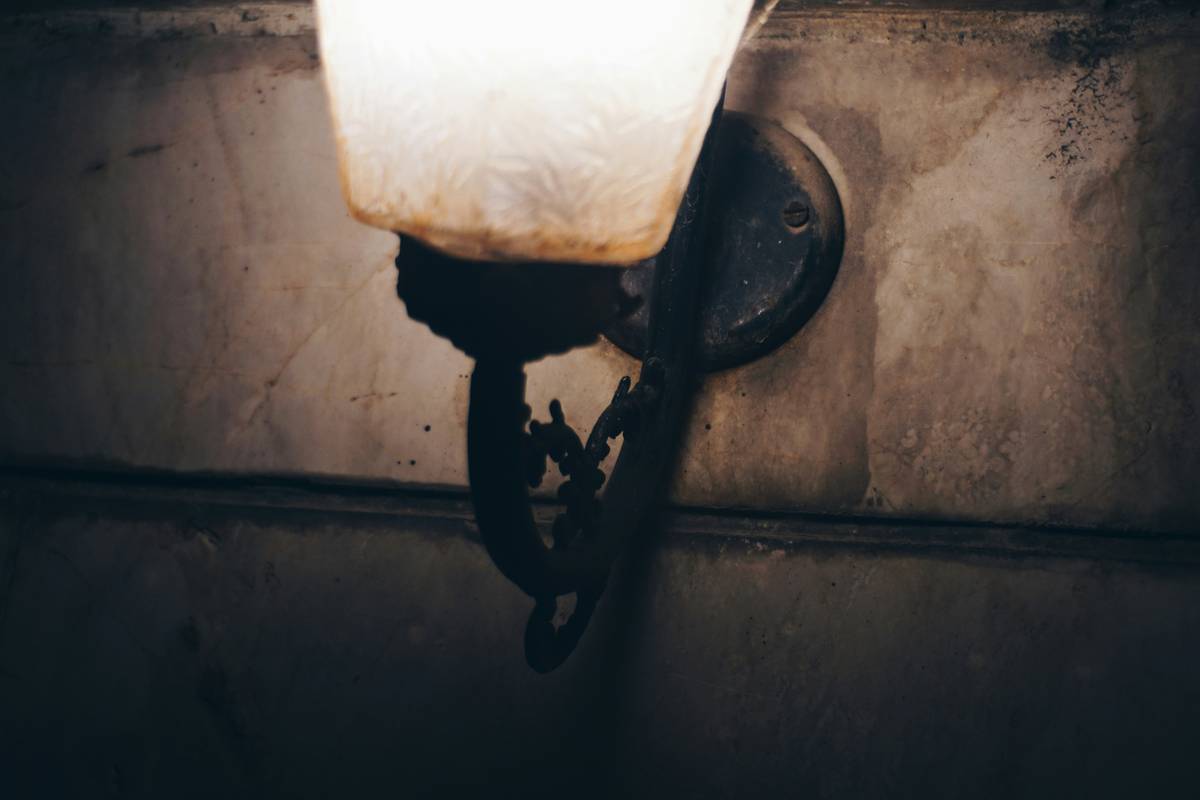
You’ve scrolled through endless lighting catalogs—yet nothing feels right. Generic fixtures scream “off-the-shelf,” not “heirloom.” And those so-called “vintage” sconces? Often just plastic shells with a brown wash. The result? Your hallway or living room lacks soul. Antique wall sconce lighting fixtures solve this—they’re architectural jewelry with history, texture, and depth that new mass-market pieces simply can’t fake.
Why Modern “Vintage” Sconces Fall Flat
Most manufacturers slap a bronze finish on stamped steel and call it “antique.” It’s theater—not authenticity. Real antique wall sconce lighting fixtures carry patina developed over decades, subtle asymmetries from handcrafting, and weight that signals quality. Mass-produced knockoffs feel hollow—literally and emotionally.
And here’s the kicker: they often use outdated wiring housed in compromised materials. You think you’re getting charm—but you’re inheriting a fire hazard.
How to Source & Install Authentic Antique Wall Sconce Lighting Fixtures
True antique sconces require a different approach than browsing Amazon at midnight. Think of this as treasure hunting with technical precision.
Step 1: Verify Era and Origin
Brass sconces from the 1890s behave differently than 1950s iron ones. Look for manufacturer stamps, socket types, and casting marks. A genuine Victorian-era piece uses turn-of-the-century gas-to-electric conversion hardware—not a UL sticker slapped on last Tuesday.
Step 2: Safety Over Sentiment
Never install an antique fixture without rewiring by a licensed electrician. Insulation degrades. Wires fray. That “cool old cord” could ignite your drywall. Rewiring preserves aesthetics while meeting modern codes.
Step 3: Placement Psychology
Antique wall sconces aren’t just light sources—they’re spatial anchors. Flank a mirror? Perfect. But avoid placing them directly above seating unless tilted downward. Unshielded bulbs from 1910 weren’t designed for LED glare.
| Source Type | Average Cost Range | Authenticity Risk | Best For |
|---|---|---|---|
| Estate Auctions | $150–$800 | Low (if inspected) | Serious collectors, period homes |
| Reputable Antique Dealers | $300–$1,500 | Very Low | Guaranteed provenance + rewiring service |
| Online Marketplaces (e.g., Etsy, eBay) | $75–$400 | High | Budget projects—verify seller photos & specs |
| “Antique-Style” Retailers | $60–$250 | Certain Fakes | Rental properties or short-term staging |
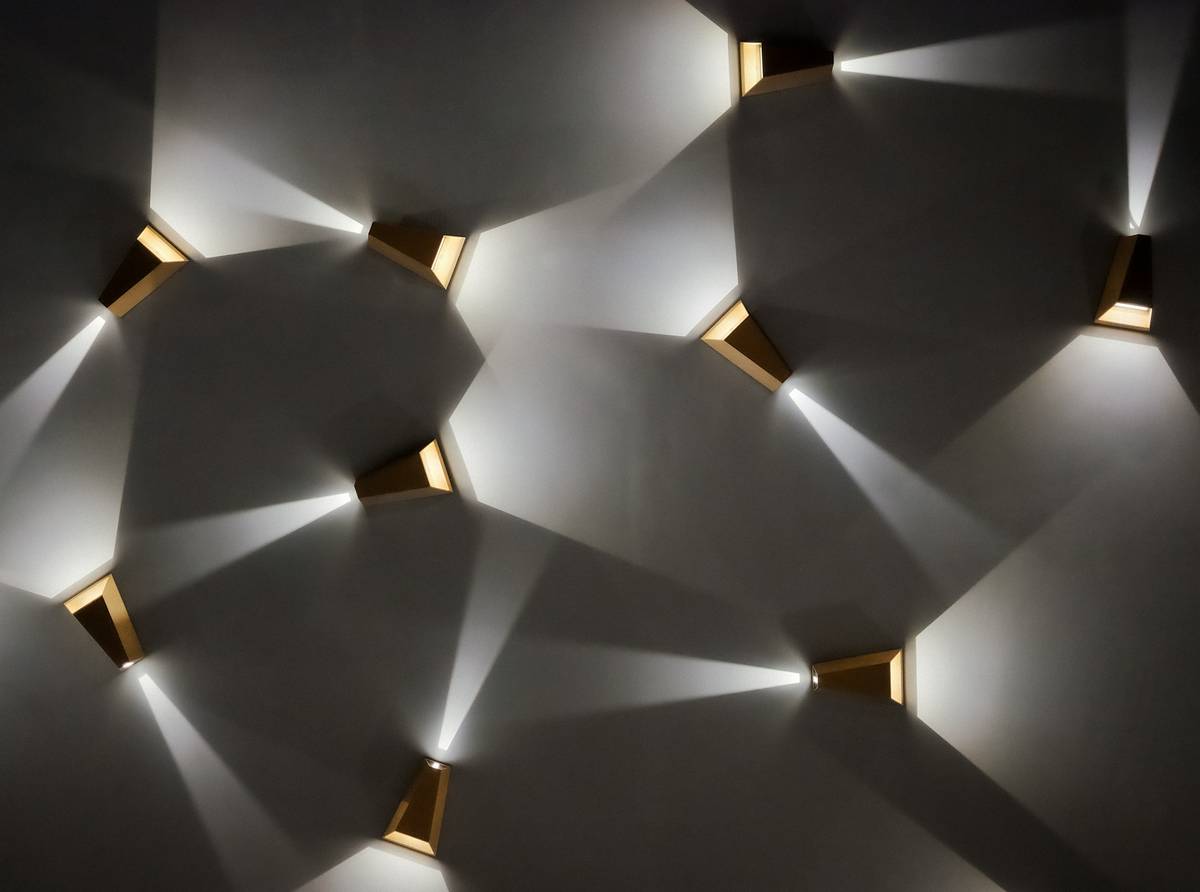
The Industry Secret: Patina Is Performance
Most homeowners rush to polish brass sconces until they gleam. Big mistake. That darkened surface—the patina—isn’t neglect. It’s a protective layer formed over time that actually diffuses light more softly than polished metal. Designers in high-end restorations preserve it deliberately. The math is simple: raw brass creates harsh reflections; aged brass wraps light in warmth. One top London restoration studio even uses controlled oxidation techniques to accelerate patina development on newly fabricated sconces—just to mimic what true antiques offer naturally. Don’t erase history. Let it glow.
Frequently Asked Questions
Are antique wall sconce lighting fixtures safe to use?
Yes—if professionally rewired. Original cloth-insulated wiring must be replaced. Always hire a licensed electrician familiar with vintage fixtures.
Where should I install antique sconces for maximum impact?
Flanking mirrors, along hallways, or beside bed frames. Avoid high-moisture zones like bathrooms unless rated for damp locations post-restoration.
Can I mix antique sconces with modern decor?
Absolutely. A single authentic antique wall sconce lighting fixture against a minimalist wall creates intentional contrast—like a museum artifact in a gallery.