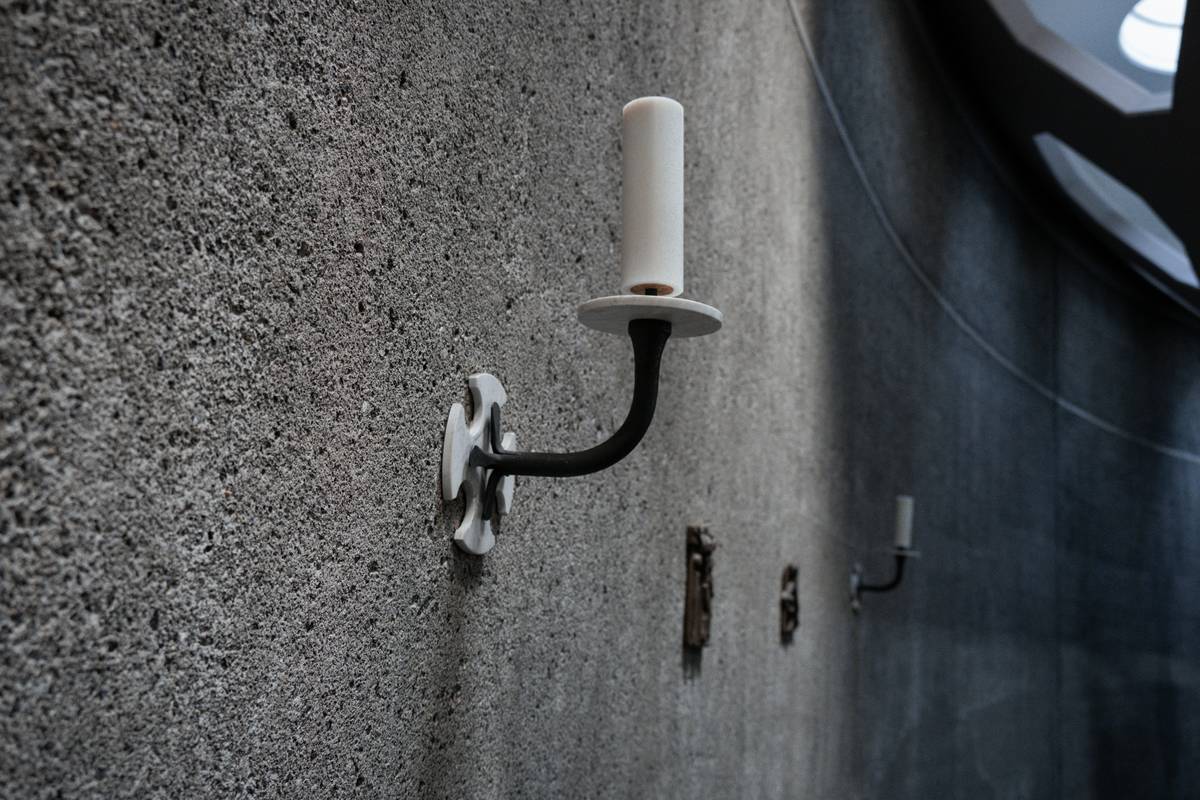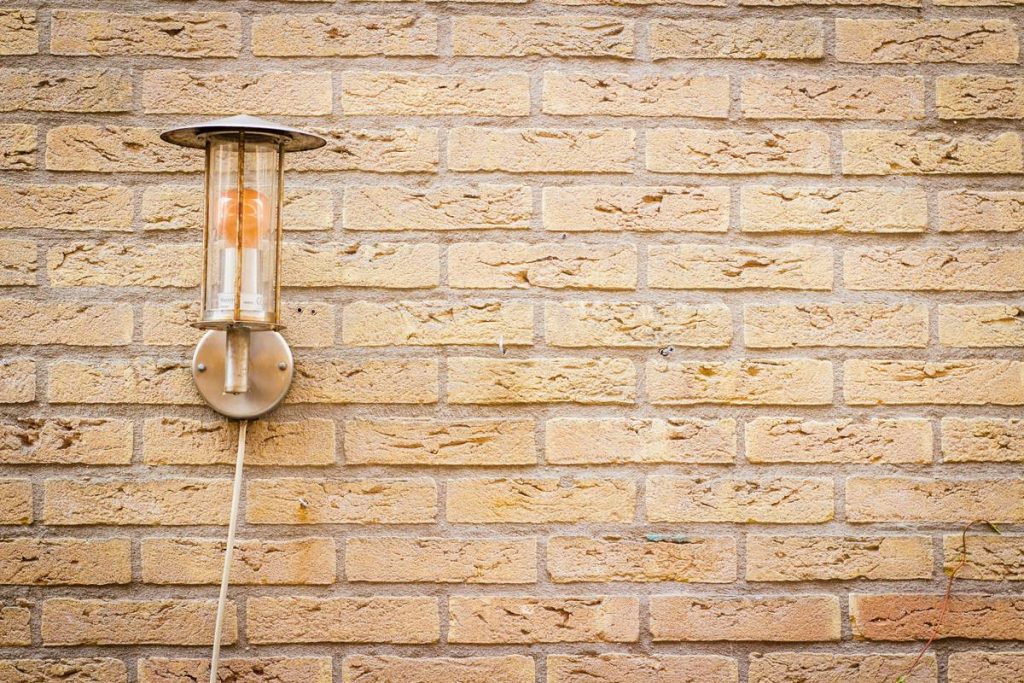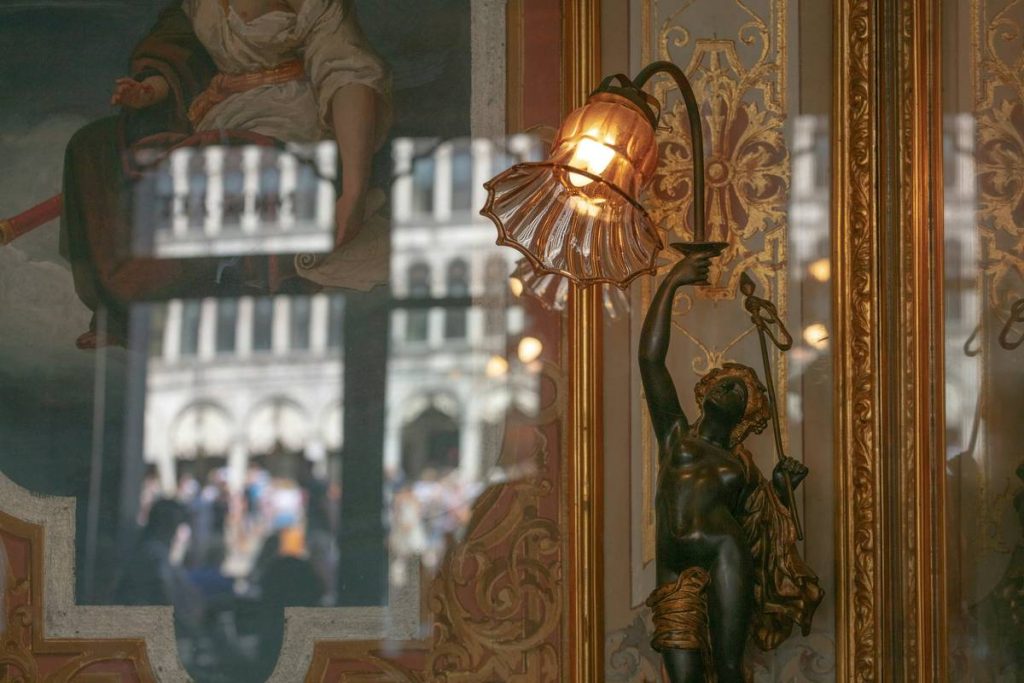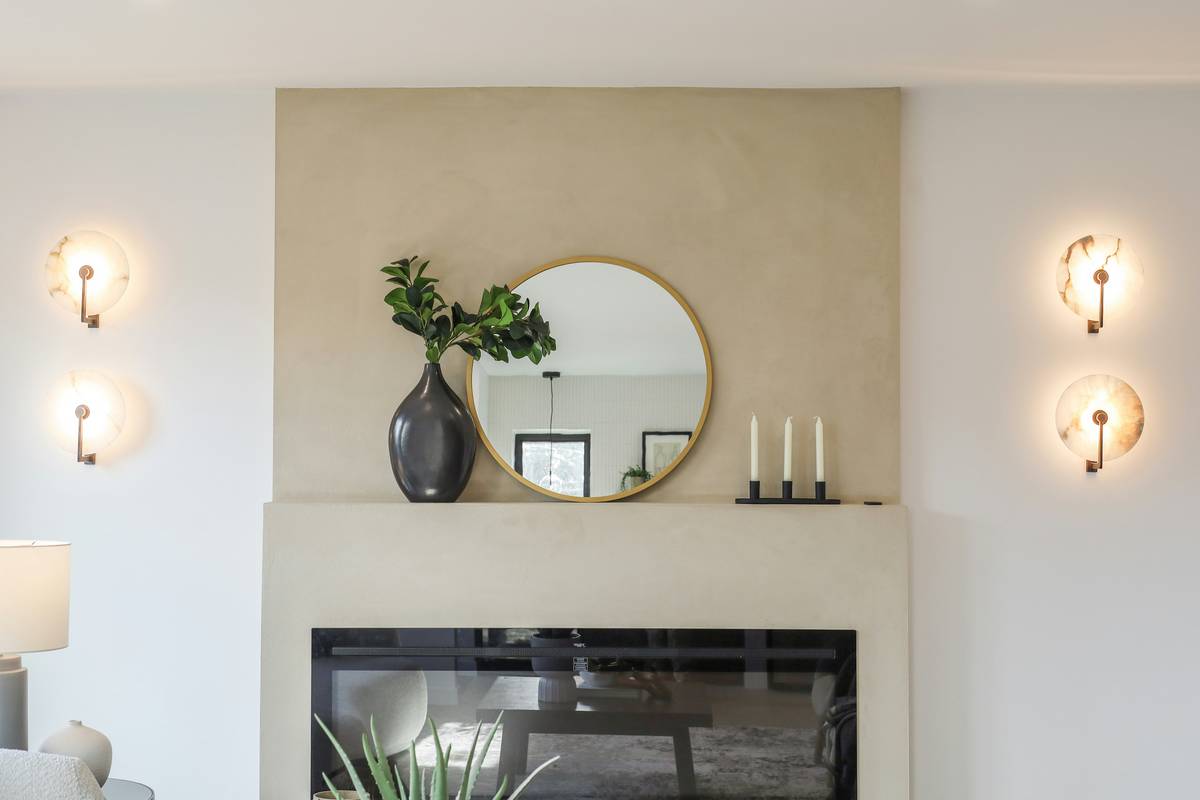
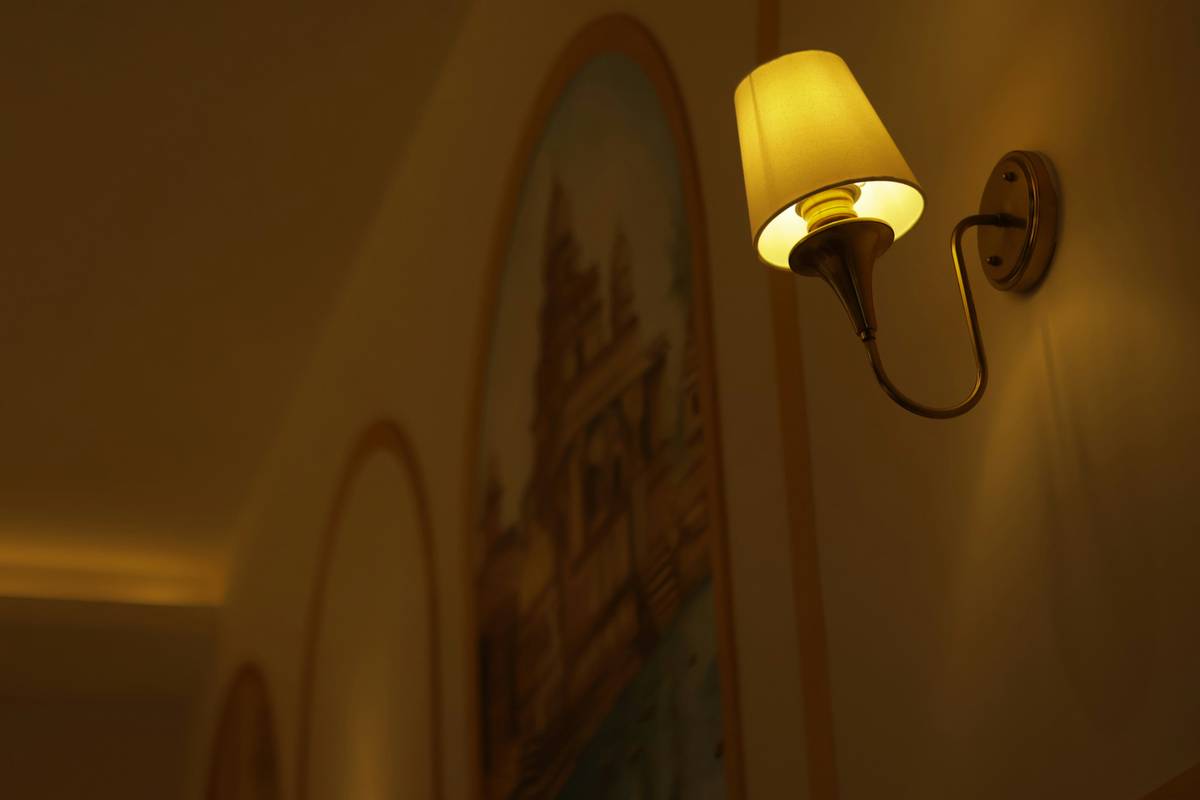
Your hallway is a tunnel. Flat. Shadowed. Uninviting. You’ve tried floor lamps—clunky. Recessed spots—harsh and uneven. And overhead fixtures? They scream “hotel corridor,” not “thoughtful home.” Here’s the fix: hall sconce light fixtures. Not just for grand foyers anymore—they’re your fastest path to layered, human-scaled lighting that actually feels like *yours*.
Why Most Homeowners Get Hallway Lighting Dead Wrong
They treat hallways like afterthoughts. Run one ceiling bulb down the centerline and call it done. Big mistake. Hallways aren’t utility zones—they’re transition spaces that shape first impressions. Flat lighting flattens architecture, hides texture, and kills mood.
And let’s be honest—most off-the-shelf fixtures are either too dim or painfully utilitarian. You end up with glare bouncing off white walls or shadows pooling under doorframes. The math is simple: bad hallway lighting = wasted square footage.
How to Choose & Install Hall Sconce Light Fixtures Like a Pro
Forget slapping on any wall-mounted bulb. Precision matters. Height, spacing, output—all calibrated to your space’s rhythm.
Height Isn’t One-Size-Fits-All
Standard advice? Mount at 60–66 inches from the floor. But if your ceilings soar past 9 feet, go higher—eye level in *your* home, not a showroom. For kids’ wings or narrow passages, drop to 54 inches to avoid head bumps and keep light in the visual field.
Spacing Dictates Flow
Too far apart and you get strobe-like pools. Too close and it feels oppressive. Rule of thumb: place sconces every 8–10 feet in long hallways. In short entry halls? One centered fixture often suffices—but only if it casts ambient, not directional, light.
Choose the Right Light Temperature
Warm white (2700K–3000K) flatters wood tones and skin. Cool white (4000K+) reads clinical—save it for garages. And never, ever skip dimmers. Hallways shift function hourly—from dawn prep zones to midnight quiet paths. Control is non-negotiable.
| Fixture Type | Ideal Hallway Length | Lumens Needed | Avg. Cost (USD) |
|---|---|---|---|
| Upward-facing sconce | Short (<12 ft) | 300–400 per fixture | $80–$150 |
| Bidirectional (up/down) | Medium (12–20 ft) | 500–600 per fixture | $120–$220 |
| Adjustable-arm sconce | Long (>20 ft) or curved | 400–500 per fixture | $150–$300 |
The Industry Secret No Retailer Will Tell You
Here’s the reality: most “decorative” sconces sold online are hollow shells—plastic diffusers, cheap drivers, zero optical engineering. They look fine in renders but cast ugly hotspots or fade within a year.
The real pros? We spec commercial-grade housings with residential finishes. Yes, they cost 20% more upfront. But they last 10+ years, maintain color consistency, and—this is key—allow bulb replacement without rewiring. Skip the big-box “designer dupes.” Invest in thermal management and proper UL listing. Your future self (and electrician) will thank you.
And one more thing—wire them on separate switches from overheads. Suddenly, you’ve got three lighting scenes: full brightness for cleaning, sconces-only for evening calm, and off for movie-night stealth mode.
Frequently Asked Questions
Can I install hall sconce light fixtures myself?
If you’re replacing an existing junction box and have basic wiring skills—yes. But for new runs or multi-way switches, hire a licensed electrician. Safety > savings.
Should hallway sconces match other room fixtures?
Not necessarily. Cohesion comes from finish (brushed brass, matte black) and scale—not identical shapes. A hallway can anchor the home’s material language without being repetitive.
How many lumens do I need for a typical hallway?
Aim for 20–30 lumens per square foot total. For a standard 4×12 ft hallway (48 sq ft), that’s 960–1,440 lumens—easily achieved with two 500-lumen sconces spaced evenly.